<?xml version="1.0" encoding="utf-8" ?>
<rdf:RDF xmlns:rdf="http://www.w3.org/1999/02/22-rdf-syntax-ns#" xmlns:dc="http://purl.org/dc/elements/1.1/" xmlns:syn="http://purl.org/rss/1.0/modules/syndication/" xmlns="http://purl.org/rss/1.0/">


<channel rdf:about="https://old.sveb.unife.it/it/ricerca-1/laboratori/biologia-molecolare-emostasi/search_rss">
  <title>Biologia Molecolare dell'Emostasi</title>
  <link>https://old.sveb.unife.it</link>

  <description>
    
            These are the search results for the query, showing results 1 to 15.
        
  </description>


  <image rdf:resource="https://old.sveb.unife.it/logo.png"/>

  <items>
    <rdf:Seq>
      
        <rdf:li rdf:resource="https://old.sveb.unife.it/it/ricerca-1/laboratori/biologia-molecolare-emostasi/copy_of_chi-siamo/foto/fototessere/ziliotto"/>
      
      
        <rdf:li rdf:resource="https://old.sveb.unife.it/it/ricerca-1/laboratori/biologia-molecolare-emostasi/copy_of_chi-siamo/foto/fototessere/testa-1"/>
      
      
        <rdf:li rdf:resource="https://old.sveb.unife.it/it/ricerca-1/laboratori/biologia-molecolare-emostasi/temi-di-ricerca"/>
      
      
        <rdf:li rdf:resource="https://old.sveb.unife.it/it/ricerca-1/laboratori/biologia-molecolare-emostasi/temi-di-ricerca/temi-di-ricerca"/>
      
      
        <rdf:li rdf:resource="https://old.sveb.unife.it/it/ricerca-1/laboratori/biologia-molecolare-emostasi/temi-di-ricerca/supplementazione-di-acidi-grassi-nelle-malattie-cardiovascolari"/>
      
      
        <rdf:li rdf:resource="https://old.sveb.unife.it/it/ricerca-1/laboratori/biologia-molecolare-emostasi/la-ricerca/pubblicazioni-scientifiche-2/studi-multifattoriali"/>
      
      
        <rdf:li rdf:resource="https://old.sveb.unife.it/it/ricerca-1/laboratori/biologia-molecolare-emostasi/copy_of_chi-siamo/foto/fronte.jpg"/>
      
      
        <rdf:li rdf:resource="https://old.sveb.unife.it/it/ricerca-1/laboratori/biologia-molecolare-emostasi/temi-di-ricerca/review-e-capitoli-di-libri"/>
      
      
        <rdf:li rdf:resource="https://old.sveb.unife.it/it/ricerca-1/laboratori/biologia-molecolare-emostasi/la-ricerca/pubblicazioni-scientifiche-2/resistenza-alla-proteina-c-attivata"/>
      
      
        <rdf:li rdf:resource="https://old.sveb.unife.it/it/ricerca-1/laboratori/biologia-molecolare-emostasi/la-ricerca/pubblicazioni-scientifiche-2"/>
      
      
        <rdf:li rdf:resource="https://old.sveb.unife.it/it/ricerca-1/laboratori/biologia-molecolare-emostasi/temi-di-ricerca/proteine-di-fusione-tra-fattori-della-coagulazione-ed-albumina-per-laumento-delle-proprieta-biologiche"/>
      
      
        <rdf:li rdf:resource="https://old.sveb.unife.it/it/ricerca-1/laboratori/biologia-molecolare-emostasi/la-ricerca/pubblicazioni-scientifiche-2/proteina-s"/>
      
      
        <rdf:li rdf:resource="https://old.sveb.unife.it/it/ricerca-1/laboratori/biologia-molecolare-emostasi/la-ricerca/pubblicazioni-scientifiche-2/proteina-c"/>
      
      
        <rdf:li rdf:resource="https://old.sveb.unife.it/it/ricerca-1/laboratori/biologia-molecolare-emostasi/copy_of_chi-siamo/foto/prospettiva.jpg"/>
      
      
        <rdf:li rdf:resource="https://old.sveb.unife.it/it/ricerca-1/laboratori/biologia-molecolare-emostasi/la-ricerca/progetti-di-ricerca-finanziati"/>
      
    </rdf:Seq>
  </items>

</channel>


  <item rdf:about="https://old.sveb.unife.it/it/ricerca-1/laboratori/biologia-molecolare-emostasi/copy_of_chi-siamo/foto/fototessere/ziliotto">
    <title>Ziliotto</title>
    <link>https://old.sveb.unife.it/it/ricerca-1/laboratori/biologia-molecolare-emostasi/copy_of_chi-siamo/foto/fototessere/ziliotto</link>
    <description></description>
    
    <dc:publisher>No publisher</dc:publisher>
    <dc:creator>Ferraresi Paolo</dc:creator>
    <dc:rights></dc:rights>
    <dc:date>2019-09-18T12:32:51Z</dc:date>
    <dc:type>Immagine</dc:type>
  </item>


  <item rdf:about="https://old.sveb.unife.it/it/ricerca-1/laboratori/biologia-molecolare-emostasi/copy_of_chi-siamo/foto/fototessere/testa-1">
    <title>Testa</title>
    <link>https://old.sveb.unife.it/it/ricerca-1/laboratori/biologia-molecolare-emostasi/copy_of_chi-siamo/foto/fototessere/testa-1</link>
    <description></description>
    
    <dc:publisher>No publisher</dc:publisher>
    <dc:creator>Ferraresi Paolo</dc:creator>
    <dc:rights></dc:rights>
    <dc:date>2020-04-14T08:48:47Z</dc:date>
    <dc:type>Immagine</dc:type>
  </item>


  <item rdf:about="https://old.sveb.unife.it/it/ricerca-1/laboratori/biologia-molecolare-emostasi/temi-di-ricerca">
    <title>Temi di ricerca</title>
    <link>https://old.sveb.unife.it/it/ricerca-1/laboratori/biologia-molecolare-emostasi/temi-di-ricerca</link>
    <description>Queste le principali tematiche di ricerca nel nostro laboratorio</description>
    
    <dc:publisher>No publisher</dc:publisher>
    <dc:creator>Ferraresi Paolo</dc:creator>
    <dc:rights></dc:rights>
    <dc:date>2020-04-14T08:25:00Z</dc:date>
    <dc:type>Cartella</dc:type>
  </item>


  <item rdf:about="https://old.sveb.unife.it/it/ricerca-1/laboratori/biologia-molecolare-emostasi/temi-di-ricerca/temi-di-ricerca">
    <title>Temi di Ricerca</title>
    <link>https://old.sveb.unife.it/it/ricerca-1/laboratori/biologia-molecolare-emostasi/temi-di-ricerca/temi-di-ricerca</link>
    <description></description>
    <content:encoded xmlns:content="http://purl.org/rss/1.0/modules/content/"><![CDATA[<div class="visualIEFloatFix tileItem">
<h2 class="tileHeadline"><a class="url summary" href="http://sveb.unife.it/it/ricerca-1/laboratori/biologia-molecolare-emostasi/temi-di-ricerca/meccanismi-del-readthrough-e-modulazione">Meccanismi del readthrough e modulazione</a></h2>
<div class="documentByLine"></div>
<p class="tileBody"><span class="description">La presenza di un codone di stop prematuro (mutazione nonsenso) causa la sintesi di una proteina tronca con caratteristiche alterate. L'attività di ricerca è incentrata sullo studio del processo di readthrough, durante il quale il ribosoma introduce un aminoacido “by-passando” il codone di stop prematuro e portando alla sintesi di una proteina a lunghezza normale. Questi studi permettono di dettagliare i determinanti molecolari del readthrough, sia basale che indotto da farmaci.</span></p>
<p class="tileFooter"><a href="http://sveb.unife.it/it/ricerca-1/laboratori/biologia-molecolare-emostasi/temi-di-ricerca/meccanismi-del-readthrough-e-modulazione"><span class="hiddenStructure">Meccanismi del readthrough e modulazione -</span>Leggi il resto</a></p>
<div class="visualClear"></div>
</div>
<div class="visualIEFloatFix tileItem">
<h2 class="tileHeadline"><a class="url summary" href="http://sveb.unife.it/it/ricerca-1/laboratori/biologia-molecolare-emostasi/temi-di-ricerca/approcci-terapeutici-rna-based-1">Approcci terapeutici RNA-based</a></h2>
<div class="documentByLine"></div>
<p class="tileBody"><span class="description">La maggior parte dei geni va incontro a splicing alternativo e molte mutazioni (&gt;30%) vanno ad alterare questo processo di maturazione dell'RNA. Attualmente sono disponibili diverse strategie in grado di modulare il processamento dell'RNA messaggero. Nel nostro laboratorio vengono esplorati questi approcci di modulazione al fine di ripristinare il corretto processamento dell'RNA per scopi terapeutici.</span></p>
<p class="tileFooter"><a href="http://sveb.unife.it/it/ricerca-1/laboratori/biologia-molecolare-emostasi/temi-di-ricerca/approcci-terapeutici-rna-based-1"><span class="hiddenStructure">Approcci terapeutici RNA-based -</span>Leggi il resto</a></p>
<div class="visualClear"></div>
</div>
<div class="visualIEFloatFix tileItem">
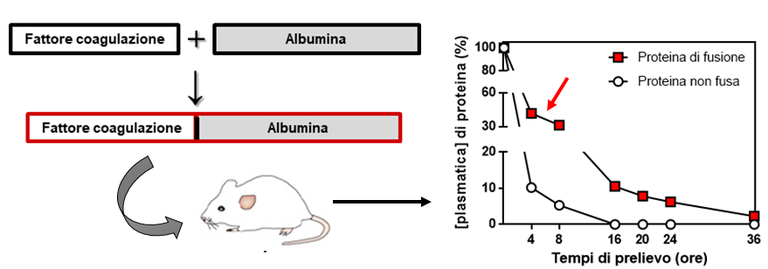
<h2 class="tileHeadline"><a class="url summary" href="http://sveb.unife.it/it/ricerca-1/laboratori/biologia-molecolare-emostasi/temi-di-ricerca/proteine-di-fusione-tra-fattori-della-coagulazione-ed-albumina-per-laumento-delle-proprieta-biologiche">Proteine di fusione tra fattori della coagulazione ed albumina per l'aumento delle proprietà biologiche</a></h2>
<div class="documentByLine"></div>
<p class="tileBody"><span class="description">L'attività di ricerca è incentrata sulla creazione ed ingegnerizzazione di proteine di fusione con proprietà biologiche migliorate, a scopo terapeutico. La fusione, mediante tecniche di ingegneria genetica, della sequenza codificante un fattore della coagulazione (o sue varianti con attività enzimatica migliorata) con quella codificante l’albumina (o sue varianti con aumentata emivita) ha consentito di generare molecole ad alto impatto in termini sia di emivita che di attività pro-coagulante.</span></p>
<p class="tileFooter"><a href="http://sveb.unife.it/it/ricerca-1/laboratori/biologia-molecolare-emostasi/temi-di-ricerca/proteine-di-fusione-tra-fattori-della-coagulazione-ed-albumina-per-laumento-delle-proprieta-biologiche"><span class="hiddenStructure">Proteine di fusione tra fattori della coagulazione ed albumina per l'aumento delle proprietà biologiche -</span>Leggi il resto</a></p>
<div class="visualClear"></div>
</div>
<div class="visualIEFloatFix tileItem">
<h2 class="tileHeadline"><a class="url summary" href="http://sveb.unife.it/it/ricerca-1/laboratori/biologia-molecolare-emostasi/temi-di-ricerca/polimorfismi-genici-funzionali-e-farmacocinetica">Polimorfismi genici funzionali e farmacocinetica</a></h2>
<div class="documentByLine"></div>
<p class="tileBody"><span class="description">La frequente infusione di fattore VIII (FVIII, emivita di 12-14h) nei pazienti emofilici di tipo A e l’ampia variabilità delle risposte al FVIII infuso inducono a ricercare polimorfismi in geni codificanti recettori per il FVIII che, modulando la sopravvivenza in circolo del fattore, possano essere determinanti funzionali della farmacocinetica</span></p>
<p class="tileFooter"><a href="http://sveb.unife.it/it/ricerca-1/laboratori/biologia-molecolare-emostasi/temi-di-ricerca/polimorfismi-genici-funzionali-e-farmacocinetica"><span class="hiddenStructure">Polimorfismi genici funzionali e farmacocinetica -</span>Leggi il resto</a></p>
<div class="visualClear"></div>
</div>
<div class="visualIEFloatFix tileItem">
<h2 class="tileHeadline"></h2>
<h2 id="_mcePaste"><a href="https://old.sveb.unife.it/it/ricerca-1/laboratori/biologia-molecolare-emostasi/temi-di-ricerca/meccanismi-molecolari-e-caratterizzazione-di-varianti-alla-base-di-carenze-della-coagulazione" class="internal-link">Meccanismi molecolari e caratterizzazione di varianti alla base di carenze della coagulazione</a></h2>
<h2 class="tileHeadline"><a class="url summary" href="http://sveb.unife.it/it/ricerca-1/laboratori/biologia-molecolare-emostasi/temi-di-ricerca/componenti-dell2019emostasi-nella-sclerosi-multipla">Componenti dell’Emostasi nella Sclerosi Multipla</a></h2>
<div class="documentByLine"></div>
<p class="tileBody"><span class="description">Numerose proteine dell’Emostasi sono coinvolte anche in altri processi: risposta infiammatoria, apoptosi, integrita’della barriera emato-encefalica e autoimmunita’. Queste proprieta’ forniscono il supporto razionale al loro studio nell’ambito della Sclerosi Multipla, patologia infiammatoria, autoimmune e degenerativa del sistema nervoso centrale.</span></p>
<p class="tileFooter"><a href="http://sveb.unife.it/it/ricerca-1/laboratori/biologia-molecolare-emostasi/temi-di-ricerca/componenti-dell2019emostasi-nella-sclerosi-multipla"><span class="hiddenStructure">Componenti dell’Emostasi nella Sclerosi Multipla -</span>Leggi il resto</a></p>
<div class="visualClear"></div>
</div>
<div class="visualIEFloatFix tileItem">
<h2 class="tileHeadline"><a class="url summary" href="http://sveb.unife.it/it/ricerca-1/laboratori/biologia-molecolare-emostasi/temi-di-ricerca/livelli-di-fattori-della-coagulazione-e-rischio-cardiovascolare">Fattori della coagulazione, apolipoproteine e rischio cardiovascolare</a></h2>
<div class="documentByLine"></div>
<p class="tileBody"><span class="description">Livelli plasmatici elevati del complesso fattore VIIa-Antitrombina e dell'apolipoproteina CIII sono associati ad elevata generazione di fattore X attivato e di trombina in pazienti ischemici. E' in studio, anche attraverso l'impiego di inibitori oligonucleotidici di sintesi (aptameri), il meccanismo biochimico attraverso cui tali macromolecole causano ipercoagulabilità e decessi fra i pazienti.</span></p>
<p class="tileFooter"><a href="http://sveb.unife.it/it/ricerca-1/laboratori/biologia-molecolare-emostasi/temi-di-ricerca/livelli-di-fattori-della-coagulazione-e-rischio-cardiovascolare"><span class="hiddenStructure">Fattori della coagulazione, apolipoproteine e rischio cardiovascolare -</span>Leggi il resto</a></p>
<div class="visualClear"></div>
</div>
<div class="visualIEFloatFix tileItem">
<h2 class="tileHeadline"><a href="https://old.sveb.unife.it/it/ricerca-1/laboratori/biologia-molecolare-emostasi/temi-di-ricerca/approcci-terapeutici-basati-su-genome-editing" class="internal-link">Approcci terapeutici basati su genome editing e correzione di difetti a carico dei promotori dei geni</a></h2>
<div class="documentByLine"></div>
<p class="tileBody"><span class="description">Le capacità terapeutiche offerte dalla scoperta della tecnologia CRISP/Cas9 sono aumentate drasticamente in questi anni, soprattutto nell'ambito delle malattie ereditarie monogeniche. La conoscenza dei meccanismi molecolari alla base di CRISP/Cas9 permette di disegnare una strategia terapeutica mirata al target molecolare da correggere. Tali approcci spaziano dal genome al più recente base editing.</span></p>
<p class="tileFooter"><a href="http://sveb.unife.it/it/ricerca-1/laboratori/biologia-molecolare-emostasi/temi-di-ricerca/approcci-terapeutici-basati-su-genome-editing"><span class="hiddenStructure">Approcci terapeutici basati su genome editing -</span>Leggi il resto</a></p>
<div class="visualClear"></div>
</div>
<div class="visualIEFloatFix tileItem">
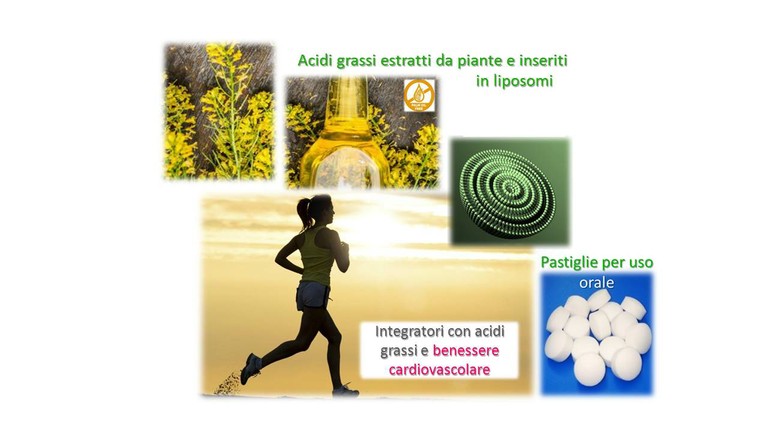
<h2 class="tileHeadline"><a class="url summary" href="http://sveb.unife.it/it/ricerca-1/laboratori/biologia-molecolare-emostasi/temi-di-ricerca/supplementazione-di-acidi-grassi-nelle-malattie-cardiovascolari">Supplementazione di acidi grassi nelle malattie cardiovascolari</a></h2>
<div class="documentByLine"></div>
<p class="tileBody"><span class="description">Micro-dosi di acidi grassi, estratti da piante e opportunamente selezionati, possono essere impiegate come supplemento farmaceutico o dietetico, per la prevenzione e il trattamento di malattie cardiovascolari e di disordini trombotici, in quanto capaci di ridurre la generazione di trombina, enzima chiave della coagulazione (Brevetto n°102018000008940).</span></p>
<p class="tileFooter"><a href="http://sveb.unife.it/it/ricerca-1/laboratori/biologia-molecolare-emostasi/temi-di-ricerca/supplementazione-di-acidi-grassi-nelle-malattie-cardiovascolari"><span class="hiddenStructure">Supplementazione di acidi grassi nelle malattie cardiovascolari -</span>Leggi il resto</a></p>
<p class="tileFooter"> </p>
<h2><a href="https://old.sveb.unife.it/it/ricerca-1/laboratori/biologia-molecolare-emostasi/temi-di-ricerca/review-e-capitoli-di-libri" class="internal-link">Rewiev e Capitoli di libri</a></h2>
</div>]]></content:encoded>
    <dc:publisher>No publisher</dc:publisher>
    <dc:creator>roby</dc:creator>
    <dc:rights></dc:rights>
    <dc:date>2022-09-08T10:20:48Z</dc:date>
    <dc:type>Pagina</dc:type>
  </item>


  <item rdf:about="https://old.sveb.unife.it/it/ricerca-1/laboratori/biologia-molecolare-emostasi/temi-di-ricerca/supplementazione-di-acidi-grassi-nelle-malattie-cardiovascolari">
    <title>Supplementazione di acidi grassi nelle malattie cardiovascolari </title>
    <link>https://old.sveb.unife.it/it/ricerca-1/laboratori/biologia-molecolare-emostasi/temi-di-ricerca/supplementazione-di-acidi-grassi-nelle-malattie-cardiovascolari</link>
    <description>Micro-dosi di acidi grassi, estratti da piante e opportunamente selezionati, possono essere impiegate come supplemento farmaceutico o dietetico, per la prevenzione e il trattamento di malattie cardiovascolari e di disordini trombotici, in quanto capaci di ridurre la generazione di trombina, enzima chiave della coagulazione (Brevetto n°102018000008940).</description>
    <content:encoded xmlns:content="http://purl.org/rss/1.0/modules/content/"><![CDATA[<p><img src="https://old.sveb.unife.it/it/ricerca-1/laboratori/biologia-molecolare-emostasi/temi-di-ricerca/Ac.grassi.jpg/image_large" alt="" class="image-inline" title="" /></p>]]></content:encoded>
    <dc:publisher>No publisher</dc:publisher>
    <dc:creator>Ferraresi Paolo</dc:creator>
    <dc:rights></dc:rights>
    <dc:date>2020-04-21T09:28:42Z</dc:date>
    <dc:type>Pagina</dc:type>
  </item>


  <item rdf:about="https://old.sveb.unife.it/it/ricerca-1/laboratori/biologia-molecolare-emostasi/la-ricerca/pubblicazioni-scientifiche-2/studi-multifattoriali">
    <title>Studi Multifattoriali</title>
    <link>https://old.sveb.unife.it/it/ricerca-1/laboratori/biologia-molecolare-emostasi/la-ricerca/pubblicazioni-scientifiche-2/studi-multifattoriali</link>
    <description>La complessità del sistema "a cascata enzimatica" della coagulazione del sangue, rende questo sistema soggetto ad un approccio allo studio multifattore.  Varianti più o meno rare di questi fattori e con attività procoagulanti o anticoagulanti accentuate rispetto la norma, possono coesistere: in alcuni casi senza alterare significativamente la funzionalità della coagulazione, in altri potenziandosi a vicenda.</description>
    <content:encoded xmlns:content="http://purl.org/rss/1.0/modules/content/"><![CDATA[<hr />
<div class="rprt_all">
<div class="abstract rprt">
<p class="citation"><a title="Journal of thrombosis and haemostasis : JTH.">J Thromb Haemost.</a> 2009 May;7(5):774-9. Epub 2009 Feb 24.</p>
<h1 class="title">Major differences in bleeding symptoms between factor VII deficiency and hemophilia B.</h1>
<p class="auth_list"><a href="https://old.sveb.unife.it/pubmed?term=%22Bernardi%20F%22%5BAuthor%5D">Bernardi F</a>, <a href="https://old.sveb.unife.it/pubmed?term=%22Dolce%20A%22%5BAuthor%5D">Dolce A</a>, <a href="https://old.sveb.unife.it/pubmed?term=%22Pinotti%20M%22%5BAuthor%5D">Pinotti M</a>, <a href="https://old.sveb.unife.it/pubmed?term=%22Shapiro%20AD%22%5BAuthor%5D">Shapiro AD</a>, <a href="https://old.sveb.unife.it/pubmed?term=%22Santagostino%20E%22%5BAuthor%5D">Santagostino E</a>, <a href="https://old.sveb.unife.it/pubmed?term=%22Peyvandi%20F%22%5BAuthor%5D">Peyvandi F</a>, <a href="https://old.sveb.unife.it/pubmed?term=%22Batorova%20A%22%5BAuthor%5D">Batorova A</a>, <a href="https://old.sveb.unife.it/pubmed?term=%22Lapecorella%20M%22%5BAuthor%5D">Lapecorella M</a>, <a href="https://old.sveb.unife.it/pubmed?term=%22Schved%20JF%22%5BAuthor%5D">Schved JF</a>, <a href="https://old.sveb.unife.it/pubmed?term=%22Ingerslev%20J%22%5BAuthor%5D">Ingerslev J</a>, <a href="https://old.sveb.unife.it/pubmed?term=%22Mariani%20G%22%5BAuthor%5D">Mariani G</a>; <a href="https://old.sveb.unife.it/pubmed?term=%22International%20Factor%20VII%20Deficiency%20Study%20Group%22%5BCorporate%20Author%5D">International Factor VII Deficiency Study Group</a>.</p>
<p class="aff">Department of Biochemistry and Molecular Biology, University of Ferrara, Ferrara, Italy. ber@unife.it</p>
<div class="abstract_text">
<h3 class="abstract_label">Abstract</h3>
<p><span class="sub_abstract_label">SUMMARY BACKGROUND: </span><span>The autosomally-inherited factor VII (FVII) deficiency and X-linked hemophilia B offer an attractive model to investigate whether reduced levels of FVII and FIX, acting in the initiation and amplification of coagulation respectively, influence hemostasis to a different extent in relation to age and bleeding site.</span></p>
<p><span class="sub_abstract_label">METHODS: </span><span>Hemophilia B patients (n = 296) and FVII-deficient males (n = 109) were compared for FVII/FIX clotting activity, F7/F9 genotypes and clinical phenotypes in a retrospective, multi-centre, cohort study.</span></p>
<p><span class="sub_abstract_label">RESULTS: </span><span>Major clinical differences between diseases were observed. Bleeding occurred earlier in hemophilia B (median age 2.0 years, IR 0.9-5.0) than in FVII deficiency (5.2 years, IR 1.9-15.5) and the bleeding-free survival in FVII deficiency was similar to that observed in 'mild' hemophilia B (P = 0.96). The most frequent disease-presenting symptoms in hemophilia B (hematomas and oral bleeding) differed from those in FVII deficiency (epistaxis and central nervous system bleeding). Differences were confirmed by analysis of FVII-deficient women.</span></p>
<p><span class="sub_abstract_label">CONCLUSIONS: </span><span>Our data support the notion that low FVII levels sustain hemostasis better than similarly reduced FIX levels. On the other hand, minute amounts of FVII, differently to FIX, are needed to prevent fatal bleeding, as indicated by the rarity of null mutations and the associated life-threatening symptoms in FVII deficiency, which contributes towards shaping clinical differences between diseases in the lowest factor level range. Differences between diseases are only partially explained by mutational patterns and could pertain to the specific roles of FVII and FIX in coagulation phases and to vascular bed-specific components.</span></p>
</div>
<p class="rprtid"><span class="pmid">PMID: 19245420</span></p>
<span class="pmid">
<hr />
</span></div>
</div>
<p class="citation"><a title="Clinical and applied thrombosis/hemostasis : official journal of the International Academy of Clinical and Applied Thrombosis/Hemostasis.">Clin Appl Thromb Hemost.</a> 2010 Apr;16(2):221-3. Epub 2009 Jan 13.</p>
<h1>Effective hemostasis during minor surgery in a case of hereditary combined deficiency of vitamin K-dependent clotting factors.</h1>
<p class="authlist"><a href="http://www.ncbi.nlm.nih.gov/pubmed?term=%22Lapecorella%20M%22%5BAuthor%5D">Lapecorella M</a>, <a href="http://www.ncbi.nlm.nih.gov/pubmed?term=%22Napolitano%20M%22%5BAuthor%5D">Napolitano M</a>, <a href="http://www.ncbi.nlm.nih.gov/pubmed?term=%22Bernardi%20F%22%5BAuthor%5D">Bernardi F</a>, <a href="http://www.ncbi.nlm.nih.gov/pubmed?term=%22Pinotti%20M%22%5BAuthor%5D">Pinotti M</a>, <a href="http://www.ncbi.nlm.nih.gov/pubmed?term=%22Sbrighi%20PS%22%5BAuthor%5D">Sbrighi PS</a>, <a href="http://www.ncbi.nlm.nih.gov/pubmed?term=%22Marchetti%20G%22%5BAuthor%5D">Marchetti G</a>, <a href="http://www.ncbi.nlm.nih.gov/pubmed?term=%22Canella%20A%22%5BAuthor%5D">Canella A</a>, <a href="http://www.ncbi.nlm.nih.gov/pubmed?term=%22Caruso%20P%22%5BAuthor%5D">Caruso P</a>, <a href="http://www.ncbi.nlm.nih.gov/pubmed?term=%22Orecchioni%20A%22%5BAuthor%5D">Orecchioni A</a>, <a href="http://www.ncbi.nlm.nih.gov/pubmed?term=%22Mariani%20G%22%5BAuthor%5D">Mariani G</a>.</p>
<p class="aff">Haemophilia and Thrombosis Centre, University of L'Aquila, Ospedale San Salvatore, Via Vetoio 1, Coppito, L'Aquila, Italy. emofilia.aq@cc.univaq.it</p>
<h3>Abstract</h3>
<p>Combined deficiency of the vitamin K-dependent clotting factors (VKCFD) is a rare bleeding disorder involving defective gamma-carboxylation of coagulation factors II , VII, IX and X as well as natural anticoagulants protein C and protein S. The disease is characterized by a cluster of different, often life threatening, bleeding symptoms occurring both spontaneously and in a surgical setting. In the present paper we describe two different treatment modalities to be used both in a programmed surgical procedure and in an emergency scenario. As this disease is a natural model that resembles oral anticoagulation, our experience discloses a possible rationale in the use of recombinant activated FVII for warfarin reversal.</p>
<p class="rprtid">PMID: 19144654 [PubMed - indexed for MEDLINE]</p>
<p>
<hr />
</p>
<p class="citation" style="height: 21.6pt;"><span><a title="Clinical and applied thrombosis/hemostasis : official journal of the International Academy of Clinical and Applied Thrombosis/Hemostasis."><span><span style="text-decoration: underline;"><span>Clin Appl Thromb Hemost.</span></span></span></a></span><span> 2010 Apr;16(2):221-3. Epub 2009 Jan 13.</span></p>
<h1><span>Effective hemostasis during minor surgery in a case of hereditary combined deficiency of vitamin K-dependent clotting factors.</span></h1>
<p class="authlist" style="height: 21.6pt;"><span><a href="http://www.ncbi.nlm.nih.gov/pubmed?term=%22Lapecorella%20M%22%5BAuthor%5D"><span style="text-decoration: underline;"><span>Lapecorella M</span></span></a>, <a href="http://www.ncbi.nlm.nih.gov/pubmed?term=%22Napolitano%20M%22%5BAuthor%5D"><span style="text-decoration: underline;"><span>Napolitano M</span></span></a>, <a href="http://www.ncbi.nlm.nih.gov/pubmed?term=%22Bernardi%20F%22%5BAuthor%5D"><span style="text-decoration: underline;"><span>Bernardi F</span></span></a>, <a href="http://www.ncbi.nlm.nih.gov/pubmed?term=%22Pinotti%20M%22%5BAuthor%5D"><span style="text-decoration: underline;"><span>Pinotti M</span></span></a>, <a href="http://www.ncbi.nlm.nih.gov/pubmed?term=%22Sbrighi%20PS%22%5BAuthor%5D"><span style="text-decoration: underline;"><span>Sbrighi PS</span></span></a>, <a href="http://www.ncbi.nlm.nih.gov/pubmed?term=%22Marchetti%20G%22%5BAuthor%5D"><span style="text-decoration: underline;"><span>Marchetti G</span></span></a>, <a href="http://www.ncbi.nlm.nih.gov/pubmed?term=%22Canella%20A%22%5BAuthor%5D"><span style="text-decoration: underline;"><span>Canella A</span></span></a>, <a href="http://www.ncbi.nlm.nih.gov/pubmed?term=%22Caruso%20P%22%5BAuthor%5D"><span style="text-decoration: underline;"><span>Caruso P</span></span></a>, <a href="http://www.ncbi.nlm.nih.gov/pubmed?term=%22Orecchioni%20A%22%5BAuthor%5D"><span style="text-decoration: underline;"><span>Orecchioni A</span></span></a>, <a href="http://www.ncbi.nlm.nih.gov/pubmed?term=%22Mariani%20G%22%5BAuthor%5D"><span style="text-decoration: underline;"><span>Mariani G</span></span></a>.</span></p>
<p class="aff" style="height: 21.6pt;"><span>Haemophilia and Thrombosis Centre, University of L'Aquila, Ospedale San Salvatore, Via Vetoio 1, Coppito, L'Aquila, Italy. emofilia.aq@cc.univaq.it</span></p>
<h3 style="height: 21.6pt;"><span>Abstract</span></h3>
<p class="MsoNormal" style="height: 21.6pt;"><span>Combined deficiency of the vitamin K-dependent clotting factors (VKCFD) is a rare bleeding disorder involving defective gamma-carboxylation of coagulation factors II , VII, IX and X as well as natural anticoagulants protein C and protein S. The disease is characterized by a cluster of different, often life threatening, bleeding symptoms occurring both spontaneously and in a surgical setting. In the present paper we describe two different treatment modalities to be used both in a programmed surgical procedure and in an emergency scenario. As this disease is a natural model that resembles oral anticoagulation, our experience discloses a possible rationale in the use of recombinant activated FVII for warfarin reversal.</span></p>
<p><span class="pmid1"><span>PMID: 19144654 </span></span></p>
<div>
<hr />
</div>
<div><a><span>J Thromb Haemost.</span></a> 2008 Dec;6(12):2088-94. Epub 2008 Sep 23.</div>
<div><br /><strong><span>Reduced factor VII and factor VIII levels and prolonged thrombin-generation times during a healthy diet in middle-aged women with mild to moderate cardiovascular disease risk.</span></strong><br /><br /><a href="http://www.ncbi.nlm.nih.gov/sites/entrez?Db=pubmed&amp;Cmd=Search&amp;Term=%22Passaro%20A%22%5BAuthor%5D&amp;itool=EntrezSystem2.PEntrez.Pubmed.Pubmed_ResultsPanel.Pubmed_RVAbstract"><strong>Passaro A</strong></a>, <a href="http://www.ncbi.nlm.nih.gov/sites/entrez?Db=pubmed&amp;Cmd=Search&amp;Term=%22Calzavarini%20S%22%5BAuthor%5D&amp;itool=EntrezSystem2.PEntrez.Pubmed.Pubmed_ResultsPanel.Pubmed_RVAbstract"><strong>Calzavarini S</strong></a>, <a href="http://www.ncbi.nlm.nih.gov/sites/entrez?Db=pubmed&amp;Cmd=Search&amp;Term=%22Volpato%20S%22%5BAuthor%5D&amp;itool=EntrezSystem2.PEntrez.Pubmed.Pubmed_ResultsPanel.Pubmed_RVAbstract"><strong>Volpato S</strong></a>, <a href="http://www.ncbi.nlm.nih.gov/sites/entrez?Db=pubmed&amp;Cmd=Search&amp;Term=%22Caruso%20P%22%5BAuthor%5D&amp;itool=EntrezSystem2.PEntrez.Pubmed.Pubmed_ResultsPanel.Pubmed_RVAbstract"><strong>Caruso P</strong></a>, <a href="http://www.ncbi.nlm.nih.gov/sites/entrez?Db=pubmed&amp;Cmd=Search&amp;Term=%22Poli%20A%22%5BAuthor%5D&amp;itool=EntrezSystem2.PEntrez.Pubmed.Pubmed_ResultsPanel.Pubmed_RVAbstract"><strong>Poli A</strong></a>, <a href="http://www.ncbi.nlm.nih.gov/sites/entrez?Db=pubmed&amp;Cmd=Search&amp;Term=%22Fellin%20R%22%5BAuthor%5D&amp;itool=EntrezSystem2.PEntrez.Pubmed.Pubmed_ResultsPanel.Pubmed_RVAbstract"><strong>Fellin R</strong></a>, <a href="http://www.ncbi.nlm.nih.gov/sites/entrez?Db=pubmed&amp;Cmd=Search&amp;Term=%22Bernardi%20F%22%5BAuthor%5D&amp;itool=EntrezSystem2.PEntrez.Pubmed.Pubmed_ResultsPanel.Pubmed_RVAbstract"><strong>Bernardi F</strong></a>.<br /><br />Department of Clinical and Experimental Medicine, University of Ferrara, Ferrara, Italy.<br /><br />BACKGROUND: No experimental study has investigated the effect of whole-diet therapies on a wide range of hemostatic parameters, and their relationship with metabolic and inflammatory markers. Such information was sought in middle-aged women with moderate cardiovascular disease (CVD) risk subjected to an integrated healthy diet. METHODS: Forty-nine premenopausal women were screened for C-reactive protein levels &gt; or =1 mg L(-1) and at least one additional CVD risk factor. Sixteen women (age: 43-54 years) were selected and received a 12-week diet (four phases) integrating National Cholesterol Education Program-Adult Treatment Panel-III recommendations with components of a Mediterranean-style diet. RESULTS: We observed a reduction in body mass index (BMI) (P = 0.001), waist circumference (P = 0.005), total (P = 0.011) and low-density lipoprotein (LDL) cholesterol levels (P = 0.035). Antigen levels of coagulation factor (F)VII (P = 0.003) and FVIII (P = 0.005) were clearly reduced by dietary intervention, which also appeared to decrease circulating tissue factor but not fibrinogen and von Willebrand factor (VWF) antigen levels. Levels of FVIII and tumor necrosis factor-alpha, among the inflammation markers, showed the highest correlation, particularly before the intervention (r = 0.55, P = 0.032). Only this cytokine influenced FVIII variation over time, thus highlighting new relations between coagulation and cellular components of inflammation. The functional effect of diet on coagulation was indicated by markedly prolonged thrombin generation initiation and propagation times (lag time, P = 0.002; time to peak, P = 0.005). CONCLUSIONS: The changes observed in coagulation initiation and amplification phases, body composition and lipid profile could translate into a remarkable decrease in the risk for cardiovascular disease. Our observations suggest novel relationships between coagulation and inflammatory components.<br /><br />PMID: 18823339 [PubMed - indexed for MEDLINE]</div>
<div>
<hr />
</div>
<div><a><span>J Thromb Haemost.</span></a> 2008 May;6(5):797-803. Epub 2008 Feb 25.</div>
<div><br /><strong><span>Vitamin K-induced modification of coagulation phenotype in VKORC1 homozygous deficiency.</span></strong><br /><br /><a href="http://www.ncbi.nlm.nih.gov/sites/entrez?Db=pubmed&amp;Cmd=Search&amp;Term=%22Marchetti%20G%22%5BAuthor%5D&amp;itool=EntrezSystem2.PEntrez.Pubmed.Pubmed_ResultsPanel.Pubmed_RVAbstract"><strong>Marchetti G</strong></a>, <a href="http://www.ncbi.nlm.nih.gov/sites/entrez?Db=pubmed&amp;Cmd=Search&amp;Term=%22Caruso%20P%22%5BAuthor%5D&amp;itool=EntrezSystem2.PEntrez.Pubmed.Pubmed_ResultsPanel.Pubmed_RVAbstract"><strong>Caruso P</strong></a>, <a href="http://www.ncbi.nlm.nih.gov/sites/entrez?Db=pubmed&amp;Cmd=Search&amp;Term=%22Lunghi%20B%22%5BAuthor%5D&amp;itool=EntrezSystem2.PEntrez.Pubmed.Pubmed_ResultsPanel.Pubmed_RVAbstract"><strong>Lunghi B</strong></a>, <a href="http://www.ncbi.nlm.nih.gov/sites/entrez?Db=pubmed&amp;Cmd=Search&amp;Term=%22Pinotti%20M%22%5BAuthor%5D&amp;itool=EntrezSystem2.PEntrez.Pubmed.Pubmed_ResultsPanel.Pubmed_RVAbstract"><strong>Pinotti M</strong></a>, <a href="http://www.ncbi.nlm.nih.gov/sites/entrez?Db=pubmed&amp;Cmd=Search&amp;Term=%22Lapecorella%20M%22%5BAuthor%5D&amp;itool=EntrezSystem2.PEntrez.Pubmed.Pubmed_ResultsPanel.Pubmed_RVAbstract"><strong>Lapecorella M</strong></a>, <a href="http://www.ncbi.nlm.nih.gov/sites/entrez?Db=pubmed&amp;Cmd=Search&amp;Term=%22Napolitano%20M%22%5BAuthor%5D&amp;itool=EntrezSystem2.PEntrez.Pubmed.Pubmed_ResultsPanel.Pubmed_RVAbstract"><strong>Napolitano M</strong></a>, <a href="http://www.ncbi.nlm.nih.gov/sites/entrez?Db=pubmed&amp;Cmd=Search&amp;Term=%22Canella%20A%22%5BAuthor%5D&amp;itool=EntrezSystem2.PEntrez.Pubmed.Pubmed_ResultsPanel.Pubmed_RVAbstract"><strong>Canella A</strong></a>, <a href="http://www.ncbi.nlm.nih.gov/sites/entrez?Db=pubmed&amp;Cmd=Search&amp;Term=%22Mariani%20G%22%5BAuthor%5D&amp;itool=EntrezSystem2.PEntrez.Pubmed.Pubmed_ResultsPanel.Pubmed_RVAbstract"><strong>Mariani G</strong></a>, <a href="http://www.ncbi.nlm.nih.gov/sites/entrez?Db=pubmed&amp;Cmd=Search&amp;Term=%22Bernardi%20F%22%5BAuthor%5D&amp;itool=EntrezSystem2.PEntrez.Pubmed.Pubmed_ResultsPanel.Pubmed_RVAbstract"><strong>Bernardi F</strong></a>.<br /><br />Department of Biochemistry and Molecular Biology, University of Ferrara, Ferrara, Italy.<br /><br />BACKGROUND: Combined vitamin K-dependent clotting factor (VKCF) deficiency type 2 (VKCFD2) is a rare bleeding disorder caused by mutated vitamin K 2,3-epoxide reductase complex subunit 1 (VKORC1) gene. METHODS AND RESULTS: An Italian patient with moderate to severe bleeding tendency was genotyped, and found to be homozygous for the unique VKORC1 mutation (Arg98Trp) so far detected in VKCFD2. The activity levels of VKCFs were differentially reduced, and inversely related to the previously estimated affinity of procoagulant factor propeptides for the gamma-carboxylase. The normal (factor IX) or reduced antigen levels (other VKCFs) produced a gradient in specific activities. Vitamin K supplementations resulted in reproducible, fast and sustained normalization of PT and APTT. At 24 h the activity/antigen ratios of VKCFs were close to normal, and activity levels were completely (factor VII and IX), virtually (prothrombin, factor X and protein C) or partially (protein S) restored. Thrombin generation assays showed a markedly shortened lag time. The time to peak observed at low tissue factor concentration, potentially mimicking the physiological trigger and able to highlight the effect of reduced protein S levels, was shorter than that in pooled normal plasma. At 72 h the thrombin generation times were normal, and the decrease in activity of procoagulant VKCFs was inversely related to their half-life in plasma. The improved coagulation phenotype permitted the uneventful clinical course after invasive diagnostic procedures. CONCLUSIONS: Modification of coagulation phenotypes in VKCFD2 after vitamin K supplementation was clinically beneficial, and provided valuable patterns of factor specific biosynthesis, half-life and decay.<br /><br />PMID: 18315553 [PubMed - indexed for MEDLINE]</div>
<div>
<hr />
</div>
<div><a><span>Blood.</span></a> 2003 Dec 1;102(12):4014-20. Epub 2003 Jul 24.</div>
<div><br /><strong><span>Coinheritance of Factor V (FV) Leiden enhances thrombin formation and is associated with a mild bleeding phenotype in patients homozygous for the FVII 9726+5G&gt;A (FVII Lazio) mutation.</span></strong><br /><br /><a href="http://www.ncbi.nlm.nih.gov/sites/entrez?Db=pubmed&amp;Cmd=Search&amp;Term=%22Castoldi%20E%22%5BAuthor%5D&amp;itool=EntrezSystem2.PEntrez.Pubmed.Pubmed_ResultsPanel.Pubmed_RVAbstract"><strong>Castoldi E</strong></a>, <a href="http://www.ncbi.nlm.nih.gov/sites/entrez?Db=pubmed&amp;Cmd=Search&amp;Term=%22Govers-Riemslag%20JW%22%5BAuthor%5D&amp;itool=EntrezSystem2.PEntrez.Pubmed.Pubmed_ResultsPanel.Pubmed_RVAbstract"><strong>Govers-Riemslag JW</strong></a>, <a href="http://www.ncbi.nlm.nih.gov/sites/entrez?Db=pubmed&amp;Cmd=Search&amp;Term=%22Pinotti%20M%22%5BAuthor%5D&amp;itool=EntrezSystem2.PEntrez.Pubmed.Pubmed_ResultsPanel.Pubmed_RVAbstract"><strong>Pinotti M</strong></a>, <a href="http://www.ncbi.nlm.nih.gov/sites/entrez?Db=pubmed&amp;Cmd=Search&amp;Term=%22Bindini%20D%22%5BAuthor%5D&amp;itool=EntrezSystem2.PEntrez.Pubmed.Pubmed_ResultsPanel.Pubmed_RVAbstract"><strong>Bindini D</strong></a>, <a href="http://www.ncbi.nlm.nih.gov/sites/entrez?Db=pubmed&amp;Cmd=Search&amp;Term=%22Tans%20G%22%5BAuthor%5D&amp;itool=EntrezSystem2.PEntrez.Pubmed.Pubmed_ResultsPanel.Pubmed_RVAbstract"><strong>Tans G</strong></a>, <a href="http://www.ncbi.nlm.nih.gov/sites/entrez?Db=pubmed&amp;Cmd=Search&amp;Term=%22Berrettini%20M%22%5BAuthor%5D&amp;itool=EntrezSystem2.PEntrez.Pubmed.Pubmed_ResultsPanel.Pubmed_RVAbstract"><strong>Berrettini M</strong></a>, <a href="http://www.ncbi.nlm.nih.gov/sites/entrez?Db=pubmed&amp;Cmd=Search&amp;Term=%22Mazzucconi%20MG%22%5BAuthor%5D&amp;itool=EntrezSystem2.PEntrez.Pubmed.Pubmed_ResultsPanel.Pubmed_RVAbstract"><strong>Mazzucconi MG</strong></a>, <a href="http://www.ncbi.nlm.nih.gov/sites/entrez?Db=pubmed&amp;Cmd=Search&amp;Term=%22Bernardi%20F%22%5BAuthor%5D&amp;itool=EntrezSystem2.PEntrez.Pubmed.Pubmed_ResultsPanel.Pubmed_RVAbstract"><strong>Bernardi F</strong></a>, <a href="http://www.ncbi.nlm.nih.gov/sites/entrez?Db=pubmed&amp;Cmd=Search&amp;Term=%22Rosing%20J%22%5BAuthor%5D&amp;itool=EntrezSystem2.PEntrez.Pubmed.Pubmed_ResultsPanel.Pubmed_RVAbstract"><strong>Rosing J</strong></a>.<br /><br />Department of Biochemistry, Cardiovascular Research Institute Maastricht (CARIM), Maastricht University, PO Box 616, 6200 MD Maastricht, the Netherlands. e.castoldi@bioch.unimaas.nl<br /><br />We investigated the role of thrombophilic mutations as possible modifiers of the clinical phenotype in severe factor VII (FVII) deficiency. Among 7 patients homozygous for a cross-reacting material-negative (CRM-) FVII defect (9726+5G&gt;A, FVII Lazio), the only asymptomatic individual carried FV Leiden. Differential modulation of FVII levels by intragenic polymorphisms was excluded by a FVII to factor X (FX) gene haplotype analysis. The coagulation efficiency in the FV Leiden carrier and a noncarrier was evaluated by measuring FXa, FVa, and thrombin generation after extrinsic activation of plasma in the absence and presence of activated protein C (APC). In both patients coagulation factor activation was much slower and resulted in significantly lower amounts of FXa and thrombin than in a normal control. However, more FXa and thrombin were formed in the plasma of the patient carrying FV Leiden than in the noncarrier, especially in the presence of APC. These results were confirmed in FV-FVII doubly deficient plasma reconstituted with purified normal FV or FV Leiden. The difference in thrombin generation between plasmas reconstituted with normal FV or FV Leiden gradually decreased at increasing FVII concentration. We conclude that coinheritance of FV Leiden increases thrombin formation and can improve the clinical phenotype in patients with severe FVII deficiency.<br /><br />PMID: 12881304 [PubMed - indexed for MEDLINE]</div>
<div>
<hr />
</div>
<div><a><span>Circulation.</span></a> 2003 Jul 22;108(3):313-8. Epub 2003 Jul 7.</div>
<div><br /><strong><span>Predictive value of D-dimer test for recurrent venous thromboembolism after anticoagulation withdrawal in subjects with a previous idiopathic event and in carriers of congenital thrombophilia.</span></strong><br /><br /><a href="http://www.ncbi.nlm.nih.gov/sites/entrez?Db=pubmed&amp;Cmd=Search&amp;Term=%22Palareti%20G%22%5BAuthor%5D&amp;itool=EntrezSystem2.PEntrez.Pubmed.Pubmed_ResultsPanel.Pubmed_RVAbstract"><strong>Palareti G</strong></a>, <a href="http://www.ncbi.nlm.nih.gov/sites/entrez?Db=pubmed&amp;Cmd=Search&amp;Term=%22Legnani%20C%22%5BAuthor%5D&amp;itool=EntrezSystem2.PEntrez.Pubmed.Pubmed_ResultsPanel.Pubmed_RVAbstract"><strong>Legnani C</strong></a>, <a href="http://www.ncbi.nlm.nih.gov/sites/entrez?Db=pubmed&amp;Cmd=Search&amp;Term=%22Cosmi%20B%22%5BAuthor%5D&amp;itool=EntrezSystem2.PEntrez.Pubmed.Pubmed_ResultsPanel.Pubmed_RVAbstract"><strong>Cosmi B</strong></a>, <a href="http://www.ncbi.nlm.nih.gov/sites/entrez?Db=pubmed&amp;Cmd=Search&amp;Term=%22Valdr%C3%A9%20L%22%5BAuthor%5D&amp;itool=EntrezSystem2.PEntrez.Pubmed.Pubmed_ResultsPanel.Pubmed_RVAbstract"><strong>Valdré L</strong></a>, <a href="http://www.ncbi.nlm.nih.gov/sites/entrez?Db=pubmed&amp;Cmd=Search&amp;Term=%22Lunghi%20B%22%5BAuthor%5D&amp;itool=EntrezSystem2.PEntrez.Pubmed.Pubmed_ResultsPanel.Pubmed_RVAbstract"><strong>Lunghi B</strong></a>, <a href="http://www.ncbi.nlm.nih.gov/sites/entrez?Db=pubmed&amp;Cmd=Search&amp;Term=%22Bernardi%20F%22%5BAuthor%5D&amp;itool=EntrezSystem2.PEntrez.Pubmed.Pubmed_ResultsPanel.Pubmed_RVAbstract"><strong>Bernardi F</strong></a>, <a href="http://www.ncbi.nlm.nih.gov/sites/entrez?Db=pubmed&amp;Cmd=Search&amp;Term=%22Coccheri%20S%22%5BAuthor%5D&amp;itool=EntrezSystem2.PEntrez.Pubmed.Pubmed_ResultsPanel.Pubmed_RVAbstract"><strong>Coccheri S</strong></a>.<br /><br />Dipartimento di Angiologia, Unità Ricerca Clinica sulla Trombofilia Marino Golinelli, University Hospital S Orsola-Malpighi, Bologna, Italy. palareti@tin.it<br /><br />BACKGROUND: We have shown that normal D-dimer levels obtained after the discontinuation of oral anticoagulant treatment (OAT) has a high negative predictive value for recurrent venous thromboembolism (VTE). The aim of the present study was to assess the predictive value of D-dimer for recurrent VTE in subjects with a previous unprovoked event who are either carriers of inherited thrombophilia or not. METHODS AND RESULTS: We prospectively evaluated 599 patients (301 males) with a previous VTE episode. They were repeatedly examined for D-dimer levels after OAT withdrawal and were screened for inherited thrombophilic alterations. Alterations were detected in 130 patients (21.7%), factor V Leiden (70 patients; 2 of whom were homozygotes) and prothrombin mutation (38 patients) were the most prevalent ones. Recurrent events were recorded in 58 subjects (9.7%) during a follow-up of 870.7 patient-years. Altered D-dimer levels at 1 month after OAT withdrawal were associated with a higher rate of subsequent recurrence in all subjects investigated, especially in those with an unprovoked qualifying VTE event (hazard ratio, 2.43; 95% confidence interval, 1.18 to 4.61) and in those with thrombophilia (hazard ratio, 8.34; 95% confidence interval, 2.72 to 17.43). The higher relative risk for recurrence of altered D-dimer was confirmed by multivariate analysis after adjustment for other risk factors. The negative predictive value of D-dimer was 92.9% and 95.8% in subjects with an unprovoked qualifying event or with thrombophilia, respectively. CONCLUSIONS: D-dimer levels measured 1 month after OAT withdrawal have a high negative predictive value for recurrence in subjects with unprovoked VTE who are either carriers or not carriers of congenital thrombophilia.<br /><br />PMID: 12847064 [PubMed - indexed for MEDLINE]</div>
<div>
<hr />
</div>
<div><a><span>Br J Haematol.</span></a> 2003 May;121(4):632-8.</div>
<div><br /><strong><span>Asymptomatic carriership of factor V Leiden and genotypes of the fibrinogen gene cluster.</span></strong><br /><br /><a href="http://www.ncbi.nlm.nih.gov/sites/entrez?Db=pubmed&amp;Cmd=Search&amp;Term=%22Marchetti%20G%22%5BAuthor%5D&amp;itool=EntrezSystem2.PEntrez.Pubmed.Pubmed_ResultsPanel.Pubmed_RVAbstract"><strong>Marchetti G</strong></a>, <a href="http://www.ncbi.nlm.nih.gov/sites/entrez?Db=pubmed&amp;Cmd=Search&amp;Term=%22Ferraresi%20P%22%5BAuthor%5D&amp;itool=EntrezSystem2.PEntrez.Pubmed.Pubmed_ResultsPanel.Pubmed_RVAbstract"><strong>Ferraresi P</strong></a>, <a href="http://www.ncbi.nlm.nih.gov/sites/entrez?Db=pubmed&amp;Cmd=Search&amp;Term=%22Legnani%20C%22%5BAuthor%5D&amp;itool=EntrezSystem2.PEntrez.Pubmed.Pubmed_ResultsPanel.Pubmed_RVAbstract"><strong>Legnani C</strong></a>, <a href="http://www.ncbi.nlm.nih.gov/sites/entrez?Db=pubmed&amp;Cmd=Search&amp;Term=%22Pinotti%20M%22%5BAuthor%5D&amp;itool=EntrezSystem2.PEntrez.Pubmed.Pubmed_ResultsPanel.Pubmed_RVAbstract"><strong>Pinotti M</strong></a>, <a href="http://www.ncbi.nlm.nih.gov/sites/entrez?Db=pubmed&amp;Cmd=Search&amp;Term=%22Lunghi%20B%22%5BAuthor%5D&amp;itool=EntrezSystem2.PEntrez.Pubmed.Pubmed_ResultsPanel.Pubmed_RVAbstract"><strong>Lunghi B</strong></a>, <a href="http://www.ncbi.nlm.nih.gov/sites/entrez?Db=pubmed&amp;Cmd=Search&amp;Term=%22Scapoli%20C%22%5BAuthor%5D&amp;itool=EntrezSystem2.PEntrez.Pubmed.Pubmed_ResultsPanel.Pubmed_RVAbstract"><strong>Scapoli C</strong></a>, <a href="http://www.ncbi.nlm.nih.gov/sites/entrez?Db=pubmed&amp;Cmd=Search&amp;Term=%22Gemmati%20D%22%5BAuthor%5D&amp;itool=EntrezSystem2.PEntrez.Pubmed.Pubmed_ResultsPanel.Pubmed_RVAbstract"><strong>Gemmati D</strong></a>, <a href="http://www.ncbi.nlm.nih.gov/sites/entrez?Db=pubmed&amp;Cmd=Search&amp;Term=%22Coccheri%20S%22%5BAuthor%5D&amp;itool=EntrezSystem2.PEntrez.Pubmed.Pubmed_ResultsPanel.Pubmed_RVAbstract"><strong>Coccheri S</strong></a>, <a href="http://www.ncbi.nlm.nih.gov/sites/entrez?Db=pubmed&amp;Cmd=Search&amp;Term=%22Palareti%20G%22%5BAuthor%5D&amp;itool=EntrezSystem2.PEntrez.Pubmed.Pubmed_ResultsPanel.Pubmed_RVAbstract"><strong>Palareti G</strong></a>, <a href="http://www.ncbi.nlm.nih.gov/sites/entrez?Db=pubmed&amp;Cmd=Search&amp;Term=%22Bernardi%20F%22%5BAuthor%5D&amp;itool=EntrezSystem2.PEntrez.Pubmed.Pubmed_ResultsPanel.Pubmed_RVAbstract"><strong>Bernardi F</strong></a>.<br /><br />Dipartimento di Biochimica e Biologia Molecolare, Università di Ferrara, Unità di Ricerca Clinica sulla Trombofilia 'Marino Golinelli', Divisione di Angiologia, Azienda Ospedaliera di Bologna, Policlinico S.Orsola-Malpighi, Bologna, Italia.<br /><br />We investigated the role of frequent fibrinogen polymorphisms in venous thromboembolic disease in conjunction with inherited thrombophilia. Two hundred unrelated subjects, all carriers of the factor V R506Q mutation (FV Leiden), were genotyped at the fibrinogen gene cluster. Among these subjects, 100 had experienced previous venous thromboembolism (VTE) and 100 were still asymptomatic for VTE. Significant differences were observed between the groups for the BclI polymorphism (P = 0.004). Scanning, by sequencing the DNA regions flanking the BclI marker, revealed new polymorphisms, a C to T transition and a G to T transversion at 1520 and 3369 base pairs 3' to the beta gene stop codon respectively. These markers showed less association with the clinical phenotype than BclI itself. A combined genotype including 10 markers was more frequent among the asymptomatic subjects (17%) than among patients (3%), and was associated with a reduction in fibrinogen antigen level (2.42 +/- 0.35 vs 2.69 +/- 0.41 g/l, P = 0.028) among the asymptomatic subjects. Our data suggest that, in the presence of inherited thrombophilia, frequent fibrinogen polymorphisms may interact to modulate the risk of venous thromboembolism.<br /><br />PMID: 12752105 [PubMed - indexed for MEDLINE]</div>
<div>
<hr />
</div>
<div><span><a><span>J Thromb Haemost.</span></a></span><span> 2003 Jan;1(1):112-7.</span></div>
<div><span><br /></span><strong><span>Venous thromboembolism, oral contraceptives and high prothrombin levels.</span></strong><span><br /><br /></span><span><a href="http://www.ncbi.nlm.nih.gov/sites/entrez?Db=pubmed&amp;Cmd=Search&amp;Term=%22Legnani%20C%22%5BAuthor%5D&amp;itool=EntrezSystem2.PEntrez.Pubmed.Pubmed_ResultsPanel.Pubmed_RVAbstract"><strong>Legnani C</strong></a>, <a href="http://www.ncbi.nlm.nih.gov/sites/entrez?Db=pubmed&amp;Cmd=Search&amp;Term=%22Cosmi%20B%22%5BAuthor%5D&amp;itool=EntrezSystem2.PEntrez.Pubmed.Pubmed_ResultsPanel.Pubmed_RVAbstract"><strong>Cosmi B</strong></a>, <a href="http://www.ncbi.nlm.nih.gov/sites/entrez?Db=pubmed&amp;Cmd=Search&amp;Term=%22Valdr%C3%A8%20L%22%5BAuthor%5D&amp;itool=EntrezSystem2.PEntrez.Pubmed.Pubmed_ResultsPanel.Pubmed_RVAbstract"><strong>Valdrè L</strong></a>, <a href="http://www.ncbi.nlm.nih.gov/sites/entrez?Db=pubmed&amp;Cmd=Search&amp;Term=%22Boggian%20O%22%5BAuthor%5D&amp;itool=EntrezSystem2.PEntrez.Pubmed.Pubmed_ResultsPanel.Pubmed_RVAbstract"><strong>Boggian O</strong></a>, <a href="http://www.ncbi.nlm.nih.gov/sites/entrez?Db=pubmed&amp;Cmd=Search&amp;Term=%22Bernardi%20F%22%5BAuthor%5D&amp;itool=EntrezSystem2.PEntrez.Pubmed.Pubmed_ResultsPanel.Pubmed_RVAbstract"><strong>Bernardi F</strong></a>, <a href="http://www.ncbi.nlm.nih.gov/sites/entrez?Db=pubmed&amp;Cmd=Search&amp;Term=%22Coccheri%20S%22%5BAuthor%5D&amp;itool=EntrezSystem2.PEntrez.Pubmed.Pubmed_ResultsPanel.Pubmed_RVAbstract"><strong>Coccheri S</strong></a>, <a href="http://www.ncbi.nlm.nih.gov/sites/entrez?Db=pubmed&amp;Cmd=Search&amp;Term=%22Palareti%20G%22%5BAuthor%5D&amp;itool=EntrezSystem2.PEntrez.Pubmed.Pubmed_ResultsPanel.Pubmed_RVAbstract"><strong>Palareti G</strong></a>.<br /><br />Unità di Ricerca Clinica sulla Trombofilia Marino Golinelli, Dipartimento Cardiovascolare, Divisione di Angiologia, Azienda Ospedaliera di Bologna, Policlinico S. Orsola-Malpighi, Bologna, Italy. legnanic@tin.it<br /><br />The G20210A prothrombin mutation, associated with elevated prothrombin levels, is a risk factor for venous thromboembolism (VTE) and displays a strong interaction with oral contraceptives (OC). </span><span>No data are available on VTE risk of OC use in women with high prothrombin levels, either associated or not with the mutation. The aim of this study was to evaluate the risk of VTE in OC users with high prothrombin levels, either including or excluding carriers of the prothrombin mutation. Prothrombin levels were measured by a chromogenic assay in 152 women who suffered from VTE in reproductive age and in 296 healthy women. Subjects carrying thrombophilic alterations other than the G20210A prothrombin mutation were excluded. Prothrombin levels were stratified into quartiles. The OR of subjects in the upper quartile were 3.10 [95% confidence interval (CI) 1.73-5.55] and 2.07 (95% CI 1.11-3.85) in all women and in those not carrying the prothrombin mutation, respectively. Among the 152 patients, 88 had experienced VTE during OC; in the control group we considered as OC users the women who had used OC for at least 6 months in the 2 years before presentation but had stopped the treatment at least 3 months before the time of blood sampling (n = 127). For the interaction between OC and prothrombin levels only the two extreme strata of prothrombin were considered. Women with the lowest prothrombin levels and who did not use OC were used as reference category. The VTE risk of using OC in subjects with prothrombin levels in the upper quartile was increased 5.4-fold (95% CI 2.38-12.3) and 3.5-fold (95% CI 1.48-8.22) in all women and in those not carrying the prothrombin mutation, respectively. We conclude that elevated prothrombin levels, even in women without the G20210A prothrombin mutation, are associated with an increased risk for venous thromboembolism and that oral contraceptive use potentiates such association.<br /><br /></span><span>PMID: 12871547 [PubMed - indexed for MEDLINE]</span></div>
<div>
<hr />
</div>
<div><a><span>Eur Heart J.</span></a> 2002 Jun;23(12):984-90.</div>
<div><br /><strong><span>Venous thromboembolism in young women; role of thrombophilic mutations and oral contraceptive use.</span></strong><br /><br /><a href="http://www.ncbi.nlm.nih.gov/sites/entrez?Db=pubmed&amp;Cmd=Search&amp;Term=%22Legnani%20C%22%5BAuthor%5D&amp;itool=EntrezSystem2.PEntrez.Pubmed.Pubmed_ResultsPanel.Pubmed_RVAbstract"><strong>Legnani C</strong></a>, <a href="http://www.ncbi.nlm.nih.gov/sites/entrez?Db=pubmed&amp;Cmd=Search&amp;Term=%22Palareti%20G%22%5BAuthor%5D&amp;itool=EntrezSystem2.PEntrez.Pubmed.Pubmed_ResultsPanel.Pubmed_RVAbstract"><strong>Palareti G</strong></a>, <a href="http://www.ncbi.nlm.nih.gov/sites/entrez?Db=pubmed&amp;Cmd=Search&amp;Term=%22Guazzaloca%20G%22%5BAuthor%5D&amp;itool=EntrezSystem2.PEntrez.Pubmed.Pubmed_ResultsPanel.Pubmed_RVAbstract"><strong>Guazzaloca G</strong></a>, <a href="http://www.ncbi.nlm.nih.gov/sites/entrez?Db=pubmed&amp;Cmd=Search&amp;Term=%22Cosmi%20B%22%5BAuthor%5D&amp;itool=EntrezSystem2.PEntrez.Pubmed.Pubmed_ResultsPanel.Pubmed_RVAbstract"><strong>Cosmi B</strong></a>, <a href="http://www.ncbi.nlm.nih.gov/sites/entrez?Db=pubmed&amp;Cmd=Search&amp;Term=%22Lunghi%20B%22%5BAuthor%5D&amp;itool=EntrezSystem2.PEntrez.Pubmed.Pubmed_ResultsPanel.Pubmed_RVAbstract"><strong>Lunghi B</strong></a>, <a href="http://www.ncbi.nlm.nih.gov/sites/entrez?Db=pubmed&amp;Cmd=Search&amp;Term=%22Bernardi%20F%22%5BAuthor%5D&amp;itool=EntrezSystem2.PEntrez.Pubmed.Pubmed_ResultsPanel.Pubmed_RVAbstract"><strong>Bernardi F</strong></a>, <a href="http://www.ncbi.nlm.nih.gov/sites/entrez?Db=pubmed&amp;Cmd=Search&amp;Term=%22Coccheri%20S%22%5BAuthor%5D&amp;itool=EntrezSystem2.PEntrez.Pubmed.Pubmed_ResultsPanel.Pubmed_RVAbstract"><strong>Coccheri S</strong></a>.<br /><br />Unità di Ricerca Clinica sulla Trombofilia Marino Golinelli - Dipartimento Cardiovascolare, Divisione di Angiologia, Azienda Ospedaliera di Bologna, Policlinico S. Orsola-Malpighi, Bologna, Italy.<br /><br />AIMS: The interaction between the R506Q mutation of factor V and the G20210A mutation of prothrombin with oral contraceptives on venous thromboembolism was evaluated. METHODS AND RESULTS: Three hundred and one women of reproductive age who had venous thromboembolism (140 while using oral contraceptives) and 650 healthy women (173 on oral contraceptives at presentation) were examined. Of the patients, 19.3% were carriers of R506Q (two homozygotes) and 9.6% were heterozygous carriers of G20210A; eight patients (2.7%) were heterozygous for both mutations. Among controls, 2.9% were carriers of R506Q, 3.1% of G20210A, while one case was a heterozygous carrier of both mutations. The relative risk (odds ratio) associated with carriership of R506Q or G20210A mutations was 10.3 and 4.7, respectively; it was 45.6 in carriers of both mutations. The odds ratio of using oral contraceptives in the absence of both mutations was 2.4. The odds ratios according to oral contraceptives use and the presence of R506Q or G20210A or both mutations were 41.0, 58.6 and 86.5, respectively. While the odds ratio for R506Q remains elevated (8.9) in non-oral contraceptive users, the odds ratio for G20210A was 2.0 and did not reach statistical significance. CONCLUSIONS: Our data showed a strong interaction between oral contraceptive use and the presence of either R506Q or G20210A mutations. In non-oral contraceptive users the risk of venous thromboembolism was significantly increased in carriers of R506Q but not in those with the G20210A mutation. Copyright 2002 The European Society of Cardiology.<br /><br />PMID: 12069454 [PubMed - indexed for MEDLINE]</div>
<div>
<hr />
</div>
<div><a><span>Blood.</span></a> 2000 Aug 15;96(4):1443-8.</div>
<div><br /><strong><span>Combinations of 4 mutations (FV R506Q, FV H1299R, FV Y1702C, PT 20210G/A) affecting the prothrombinase complex in a thrombophilic family.</span></strong><br /><br /><a href="http://www.ncbi.nlm.nih.gov/sites/entrez?Db=pubmed&amp;Cmd=Search&amp;Term=%22Castoldi%20E%22%5BAuthor%5D&amp;itool=EntrezSystem2.PEntrez.Pubmed.Pubmed_ResultsPanel.Pubmed_RVAbstract"><strong>Castoldi E</strong></a>, <a href="http://www.ncbi.nlm.nih.gov/sites/entrez?Db=pubmed&amp;Cmd=Search&amp;Term=%22Simioni%20P%22%5BAuthor%5D&amp;itool=EntrezSystem2.PEntrez.Pubmed.Pubmed_ResultsPanel.Pubmed_RVAbstract"><strong>Simioni P</strong></a>, <a href="http://www.ncbi.nlm.nih.gov/sites/entrez?Db=pubmed&amp;Cmd=Search&amp;Term=%22Kalafatis%20M%22%5BAuthor%5D&amp;itool=EntrezSystem2.PEntrez.Pubmed.Pubmed_ResultsPanel.Pubmed_RVAbstract"><strong>Kalafatis M</strong></a>, <a href="http://www.ncbi.nlm.nih.gov/sites/entrez?Db=pubmed&amp;Cmd=Search&amp;Term=%22Lunghi%20B%22%5BAuthor%5D&amp;itool=EntrezSystem2.PEntrez.Pubmed.Pubmed_ResultsPanel.Pubmed_RVAbstract"><strong>Lunghi B</strong></a>, <a href="http://www.ncbi.nlm.nih.gov/sites/entrez?Db=pubmed&amp;Cmd=Search&amp;Term=%22Tormene%20D%22%5BAuthor%5D&amp;itool=EntrezSystem2.PEntrez.Pubmed.Pubmed_ResultsPanel.Pubmed_RVAbstract"><strong>Tormene D</strong></a>, <a href="http://www.ncbi.nlm.nih.gov/sites/entrez?Db=pubmed&amp;Cmd=Search&amp;Term=%22Girelli%20D%22%5BAuthor%5D&amp;itool=EntrezSystem2.PEntrez.Pubmed.Pubmed_ResultsPanel.Pubmed_RVAbstract"><strong>Girelli D</strong></a>, <a href="http://www.ncbi.nlm.nih.gov/sites/entrez?Db=pubmed&amp;Cmd=Search&amp;Term=%22Girolami%20A%22%5BAuthor%5D&amp;itool=EntrezSystem2.PEntrez.Pubmed.Pubmed_ResultsPanel.Pubmed_RVAbstract"><strong>Girolami A</strong></a>, <a href="http://www.ncbi.nlm.nih.gov/sites/entrez?Db=pubmed&amp;Cmd=Search&amp;Term=%22Bernardi%20F%22%5BAuthor%5D&amp;itool=EntrezSystem2.PEntrez.Pubmed.Pubmed_ResultsPanel.Pubmed_RVAbstract"><strong>Bernardi F</strong></a>.<br /><br />Department of Biochemistry and Molecular Biology, Ferrara University, Ferrara, Italy.<br /><br />The study of the molecular bases of thrombophilia in a large family with 4 symptomatic members is reported. Three thrombophilic genetic components (FV R506Q, FV H1299R, and PT 20210G/A), all affecting the activity of the prothrombinase complex, were detected alone and in combination in various family members. In addition, a newly identified missense mutation (factor V [FV] Y1702C), causing FV deficiency, was also present in the family and appeared to enhance activated protein C (APC) resistance in carriers of FV R506Q or FV H1299R by abolishing the expression of the counterpart FV allele. The relationships between complex genotypes, coagulation laboratory findings, and clinical phenotypes were analyzed in the family. All symptomatic family members were carriers of combined defects and showed APC resistance and elevated F1 + 2 values. Evidence for the causative role of the FV Y1702C mutation, which affects a residue absolutely conserved in all 3 A domains of FV, factor VIII, and ceruloplasmin, relies on (1) the absolute cosegregation between the mutation and FV deficiency, both in the family and in the general population; (2) FV antigen and immunoblot studies indicating the absence of Y1702C FV molecules in plasma of carriers of the mutation, despite normal levels of the FV Y1702C messenger RNA; and (3) molecular modeling data that support a crucial role of the mutated residue in the A domain structure. These findings help to interpret the variable penetrance of thrombosis in thrombophilic families and to define the molecular bases of FV deficiency. (Blood. 2000;96:1443-1448)<br /><br />PMID: 10942390 [PubMed - indexed for MEDLINE]</div>
<div>
<hr />
</div>
<div><a><span>Arterioscler Thromb Vasc Biol.</span></a> 1997 Nov;17(11):2924-9.</div>
<div><br /><strong><span>Hyperhomocyst(e)inemia and a common methylenetetrahydrofolate reductase mutation (Ala223Val MTHFR) in patients with inherited thrombophilic coagulation defects.</span></strong><br /><br /><a href="http://www.ncbi.nlm.nih.gov/sites/entrez?Db=pubmed&amp;Cmd=Search&amp;Term=%22Legnani%20C%22%5BAuthor%5D&amp;itool=EntrezSystem2.PEntrez.Pubmed.Pubmed_ResultsPanel.Pubmed_RVAbstract"><strong>Legnani C</strong></a>, <a href="http://www.ncbi.nlm.nih.gov/sites/entrez?Db=pubmed&amp;Cmd=Search&amp;Term=%22Palareti%20G%22%5BAuthor%5D&amp;itool=EntrezSystem2.PEntrez.Pubmed.Pubmed_ResultsPanel.Pubmed_RVAbstract"><strong>Palareti G</strong></a>, <a href="http://www.ncbi.nlm.nih.gov/sites/entrez?Db=pubmed&amp;Cmd=Search&amp;Term=%22Grauso%20F%22%5BAuthor%5D&amp;itool=EntrezSystem2.PEntrez.Pubmed.Pubmed_ResultsPanel.Pubmed_RVAbstract"><strong>Grauso F</strong></a>, <a href="http://www.ncbi.nlm.nih.gov/sites/entrez?Db=pubmed&amp;Cmd=Search&amp;Term=%22Sassi%20S%22%5BAuthor%5D&amp;itool=EntrezSystem2.PEntrez.Pubmed.Pubmed_ResultsPanel.Pubmed_RVAbstract"><strong>Sassi S</strong></a>, <a href="http://www.ncbi.nlm.nih.gov/sites/entrez?Db=pubmed&amp;Cmd=Search&amp;Term=%22Grossi%20G%22%5BAuthor%5D&amp;itool=EntrezSystem2.PEntrez.Pubmed.Pubmed_ResultsPanel.Pubmed_RVAbstract"><strong>Grossi G</strong></a>, <a href="http://www.ncbi.nlm.nih.gov/sites/entrez?Db=pubmed&amp;Cmd=Search&amp;Term=%22Piazzi%20S%22%5BAuthor%5D&amp;itool=EntrezSystem2.PEntrez.Pubmed.Pubmed_ResultsPanel.Pubmed_RVAbstract"><strong>Piazzi S</strong></a>, <a href="http://www.ncbi.nlm.nih.gov/sites/entrez?Db=pubmed&amp;Cmd=Search&amp;Term=%22Bernardi%20F%22%5BAuthor%5D&amp;itool=EntrezSystem2.PEntrez.Pubmed.Pubmed_ResultsPanel.Pubmed_RVAbstract"><strong>Bernardi F</strong></a>, <a href="http://www.ncbi.nlm.nih.gov/sites/entrez?Db=pubmed&amp;Cmd=Search&amp;Term=%22Marchetti%20G%22%5BAuthor%5D&amp;itool=EntrezSystem2.PEntrez.Pubmed.Pubmed_ResultsPanel.Pubmed_RVAbstract"><strong>Marchetti G</strong></a>, <a href="http://www.ncbi.nlm.nih.gov/sites/entrez?Db=pubmed&amp;Cmd=Search&amp;Term=%22Ferraresi%20P%22%5BAuthor%5D&amp;itool=EntrezSystem2.PEntrez.Pubmed.Pubmed_ResultsPanel.Pubmed_RVAbstract"><strong>Ferraresi P</strong></a>, <a href="http://www.ncbi.nlm.nih.gov/sites/entrez?Db=pubmed&amp;Cmd=Search&amp;Term=%22Coccheri%20S%22%5BAuthor%5D&amp;itool=EntrezSystem2.PEntrez.Pubmed.Pubmed_ResultsPanel.Pubmed_RVAbstract"><strong>Coccheri S</strong></a>.<br /><br />Department of Angiology and Blood Coagulation, University Hospital S. Orsola-Malpighi, Bologna, Italy.<br /><br />To assess whether certain abnormalities of the sulfated amino acid metabolism are associated with the occurrence of thromboembolic events in patients with inherited thrombophilic conditions, the levels of homocyst(e)ine, before or after methionine load, and the presence of the Ala223Val substitution in the 5,10-methylenetetrahydrofolate reductase (MTHFR) were evaluated in 119 subjects with a congenital single thrombophilic condition (type I deficiency of antithrombin n = 10, protein C n = 24, protein S n = 16; activated protein C resistance due to factor V Leiden mutation n = 69). Sixty-three subjects had experienced at least one documented thrombotic event, while the remaining 56 subjects were still free from any thrombotic symptom. Our results show that (1) high homocyst(e)ine levels, either in fasting condition or after methionine load, were not more frequent in subjects with inherited thrombophilic alterations (14.4%) than in normal control subjects (10% by definition) and (2) the frequency of hyperhomocyst(e)inemia was similar in thrombophilic subjects, who already have (14.3%) or have not (14.6%) experienced thrombotic events. As regards the MTHFR mutation, the homozygous condition was present in 23.2% of the thrombophilic patients versus 17.5% in the control subjects, a nonsignificant difference. The mutation was slightly more frequent in those thrombophilic subjects who had suffered a thrombotic episode (25.5%) versus those with no thrombosis (20.8%), with odds ratios of 1.61 (confidence interval (CI) = 0.58-4.52) and 1.24 (CI = 0.42-3.43), respectively. These differences were also nonsignificant. It is concluded that in subjects with inherited thrombophilias, a condition of hyperhomocyst(e)inemia "per se" is not a factor increasing the risk of thrombosis. The risk enhancement conferred by the MTHFR mutation, if any, seems to be slight or limited, and its significance could be ascertained only in a large multicenter trial.<br /><br />PMID: 9409277 [PubMed - indexed for MEDLINE]</div>
<div>
<hr />
</div>
<div><a><span>Thromb Haemost.</span></a> 1996 Oct;76(4):505-9.</div>
<div><br /><strong><span>A heparin cofactor II mutation (HCII Rimini) combined with factor V Leiden or type I protein C deficiency in two unrelated thrombophilic subjects.</span></strong><br /><br /><a href="http://www.ncbi.nlm.nih.gov/sites/entrez?Db=pubmed&amp;Cmd=Search&amp;Term=%22Bernardi%20F%22%5BAuthor%5D&amp;itool=EntrezSystem2.PEntrez.Pubmed.Pubmed_ResultsPanel.Pubmed_RVAbstract"><strong>Bernardi F</strong></a>, <a href="http://www.ncbi.nlm.nih.gov/sites/entrez?Db=pubmed&amp;Cmd=Search&amp;Term=%22Legnani%20C%22%5BAuthor%5D&amp;itool=EntrezSystem2.PEntrez.Pubmed.Pubmed_ResultsPanel.Pubmed_RVAbstract"><strong>Legnani C</strong></a>, <a href="http://www.ncbi.nlm.nih.gov/sites/entrez?Db=pubmed&amp;Cmd=Search&amp;Term=%22Micheletti%20F%22%5BAuthor%5D&amp;itool=EntrezSystem2.PEntrez.Pubmed.Pubmed_ResultsPanel.Pubmed_RVAbstract"><strong>Micheletti F</strong></a>, <a href="http://www.ncbi.nlm.nih.gov/sites/entrez?Db=pubmed&amp;Cmd=Search&amp;Term=%22Lunghi%20B%22%5BAuthor%5D&amp;itool=EntrezSystem2.PEntrez.Pubmed.Pubmed_ResultsPanel.Pubmed_RVAbstract"><strong>Lunghi B</strong></a>, <a href="http://www.ncbi.nlm.nih.gov/sites/entrez?Db=pubmed&amp;Cmd=Search&amp;Term=%22Ferraresi%20P%22%5BAuthor%5D&amp;itool=EntrezSystem2.PEntrez.Pubmed.Pubmed_ResultsPanel.Pubmed_RVAbstract"><strong>Ferraresi P</strong></a>, <a href="http://www.ncbi.nlm.nih.gov/sites/entrez?Db=pubmed&amp;Cmd=Search&amp;Term=%22Palareti%20G%22%5BAuthor%5D&amp;itool=EntrezSystem2.PEntrez.Pubmed.Pubmed_ResultsPanel.Pubmed_RVAbstract"><strong>Palareti G</strong></a>, <a href="http://www.ncbi.nlm.nih.gov/sites/entrez?Db=pubmed&amp;Cmd=Search&amp;Term=%22Biagi%20R%22%5BAuthor%5D&amp;itool=EntrezSystem2.PEntrez.Pubmed.Pubmed_ResultsPanel.Pubmed_RVAbstract"><strong>Biagi R</strong></a>, <a href="http://www.ncbi.nlm.nih.gov/sites/entrez?Db=pubmed&amp;Cmd=Search&amp;Term=%22Marchetti%20G%22%5BAuthor%5D&amp;itool=EntrezSystem2.PEntrez.Pubmed.Pubmed_ResultsPanel.Pubmed_RVAbstract"><strong>Marchetti G</strong></a>.<br /><br />Dipartimento di Biochimica e Biologia Molecolare, Università di Ferrara, Italy. BER@DNS.UNIFE.IT<br /><br />305 patients with juvenile thromboembolic episodes were screened for the presence of heparin cofactor II deficiency. The heterozygous deletion of two bases was found in the exon 5 of the heparin cofactor II gene in two unrelated patients, very likely due to a founder effect. This molecular lesion, causing a frameshift and elongated translation, affects the core of the molecule and should cause the complete unfolding of the protein, which is in accordance with the observed type I deficiency. The corresponding region of antithrombin III gene is affected by a cluster of frameshift mutations suggesting that heparin cofactor II and antithrombin III could share similar mutational patterns. The heparin cofactor II gene alteration was associated with, in one patient, the factor V Leiden mutation and, in the other, type I protein C deficiency. The tracing of the single defects in several family members indicated that the mutations became clinically manifest only when present in the doubly heterozygous condition. This study provides two examples, based on molecular findings, of the interplay of risk factors which is potentially useful to define a role for heparin cofactor II deficiency in inherited thrombophilia.<br /><br />PMID: 8902986 [PubMed - indexed for MEDLINE]</div>
<div>
<hr />
</div>
<div><a><span>Recenti Prog Med.</span></a> 1996 Jul-Aug;87(7-8):331-7.</div>
<div><br /><strong><span>Risk of venous thromboembolism and stroke associated with oral contraceptives. </span></strong><strong><span>Role of congenital thrombophilias.</span></strong><br /><br /><a href="http://www.ncbi.nlm.nih.gov/sites/entrez?Db=pubmed&amp;Cmd=Search&amp;Term=%22Pini%20M%22%5BAuthor%5D&amp;itool=EntrezSystem2.PEntrez.Pubmed.Pubmed_ResultsPanel.Pubmed_RVAbstract"><strong>Pini M</strong></a>, <a href="http://www.ncbi.nlm.nih.gov/sites/entrez?Db=pubmed&amp;Cmd=Search&amp;Term=%22Scoditti%20U%22%5BAuthor%5D&amp;itool=EntrezSystem2.PEntrez.Pubmed.Pubmed_ResultsPanel.Pubmed_RVAbstract"><strong>Scoditti U</strong></a>, <a href="http://www.ncbi.nlm.nih.gov/sites/entrez?Db=pubmed&amp;Cmd=Search&amp;Term=%22Caliumi%20F%22%5BAuthor%5D&amp;itool=EntrezSystem2.PEntrez.Pubmed.Pubmed_ResultsPanel.Pubmed_RVAbstract"><strong>Caliumi F</strong></a>, <a href="http://www.ncbi.nlm.nih.gov/sites/entrez?Db=pubmed&amp;Cmd=Search&amp;Term=%22Manotti%20C%22%5BAuthor%5D&amp;itool=EntrezSystem2.PEntrez.Pubmed.Pubmed_ResultsPanel.Pubmed_RVAbstract"><strong>Manotti C</strong></a>, <a href="http://www.ncbi.nlm.nih.gov/sites/entrez?Db=pubmed&amp;Cmd=Search&amp;Term=%22Quintavalla%20R%22%5BAuthor%5D&amp;itool=EntrezSystem2.PEntrez.Pubmed.Pubmed_ResultsPanel.Pubmed_RVAbstract"><strong>Quintavalla R</strong></a>, <a href="http://www.ncbi.nlm.nih.gov/sites/entrez?Db=pubmed&amp;Cmd=Search&amp;Term=%22Pattacini%20C%22%5BAuthor%5D&amp;itool=EntrezSystem2.PEntrez.Pubmed.Pubmed_ResultsPanel.Pubmed_RVAbstract"><strong>Pattacini C</strong></a>, <a href="http://www.ncbi.nlm.nih.gov/sites/entrez?Db=pubmed&amp;Cmd=Search&amp;Term=%22Poli%20T%22%5BAuthor%5D&amp;itool=EntrezSystem2.PEntrez.Pubmed.Pubmed_ResultsPanel.Pubmed_RVAbstract"><strong>Poli T</strong></a>, <a href="http://www.ncbi.nlm.nih.gov/sites/entrez?Db=pubmed&amp;Cmd=Search&amp;Term=%22Tagliaferri%20A%22%5BAuthor%5D&amp;itool=EntrezSystem2.PEntrez.Pubmed.Pubmed_ResultsPanel.Pubmed_RVAbstract"><strong>Tagliaferri A</strong></a>, <a href="http://www.ncbi.nlm.nih.gov/sites/entrez?Db=pubmed&amp;Cmd=Search&amp;Term=%22di%20Iasio%20MG%22%5BAuthor%5D&amp;itool=EntrezSystem2.PEntrez.Pubmed.Pubmed_ResultsPanel.Pubmed_RVAbstract"><strong>di Iasio MG</strong></a>, <a href="http://www.ncbi.nlm.nih.gov/sites/entrez?Db=pubmed&amp;Cmd=Search&amp;Term=%22Bernardi%20F%22%5BAuthor%5D&amp;itool=EntrezSystem2.PEntrez.Pubmed.Pubmed_ResultsPanel.Pubmed_RVAbstract"><strong>Bernardi F</strong></a>.<br /><br />II Divisione Medica, Ospedale, Fidenza, Parma.<br /><br />To assess the risk of thromboembolism in women using oral contraceptives (OCs), we identified through computer search in the hospitals of the province of Parma, Italy, all women aged 15-44 who were resident in the province and had a documented thromboembolic event in the years 1989-93. The number of users and nonusers of OCs was estimated by the drug sale data for the province and by the demographic statistics. In cases with venous thromboembolism (VT) the prevalence of concomitant deficiency of antithrombin III, protein C, protein S, and of factor V gene mutation Arg506GIn was evaluated. The incidence rate of VT was 37/59,603 woman-years in users (0.62 per 1000) and 13/303,954 woman-years in nonusers (0.042 per 1000), for a relative risk (RR) of 14.5 (95% confidence interval: 7.8-27.1; P &lt; 0.001); the rate of stroke per 1000 woman-years was 0.17 in users and 0.036 in nonusers (RR = 4.6; 2.9-10.7; P &lt; 0.01). A congenital thrombophilia involving the protein C anticoagulant system was documented in about 25% of young women developing venous thromboembolism while on OCs.<br /><br />PMID: 8831253 [PubMed - indexed for MEDLINE]</div>]]></content:encoded>
    <dc:publisher>No publisher</dc:publisher>
    <dc:creator>Ferraresi Paolo</dc:creator>
    <dc:rights></dc:rights>
    <dc:date>2009-03-25T12:50:00Z</dc:date>
    <dc:type>Pagina</dc:type>
  </item>


  <item rdf:about="https://old.sveb.unife.it/it/ricerca-1/laboratori/biologia-molecolare-emostasi/copy_of_chi-siamo/foto/fronte.jpg">
    <title>sede</title>
    <link>https://old.sveb.unife.it/it/ricerca-1/laboratori/biologia-molecolare-emostasi/copy_of_chi-siamo/foto/fronte.jpg</link>
    <description></description>
    
    <dc:publisher>No publisher</dc:publisher>
    <dc:creator>Bianchi Nicoletta</dc:creator>
    <dc:rights></dc:rights>
    <dc:date>2009-02-16T13:57:22Z</dc:date>
    <dc:type>Immagine</dc:type>
  </item>


  <item rdf:about="https://old.sveb.unife.it/it/ricerca-1/laboratori/biologia-molecolare-emostasi/temi-di-ricerca/review-e-capitoli-di-libri">
    <title>Review e Capitoli di libri</title>
    <link>https://old.sveb.unife.it/it/ricerca-1/laboratori/biologia-molecolare-emostasi/temi-di-ricerca/review-e-capitoli-di-libri</link>
    <description></description>
    <content:encoded xmlns:content="http://purl.org/rss/1.0/modules/content/"><![CDATA[<p><a href="https://authors.elsevier.com/a/1fVAB6gbmKlcgU"><b>Translation termination codons in protein synthesis and disease.</b></a> <a href="https://www.ncbi.nlm.nih.gov/pubmed/?term=Lombardi%20S%5BAuthor%5D&amp;cauthor=true&amp;cauthor_uid=31613176">Lombardi S</a>, <a href="https://pubmed.ncbi.nlm.nih.gov/?term=testa+mf&amp;sort=pubdate">Testa MF</a>, <a href="https://www.ncbi.nlm.nih.gov/pubmed/?term=Pinotti%20M%5BAuthor%5D&amp;cauthor=true&amp;cauthor_uid=31613176">Pinotti M</a>, <a href="https://www.ncbi.nlm.nih.gov/pubmed/?term=Branchini%20A%5BAuthor%5D&amp;cauthor=true&amp;cauthor_uid=31613176">Branchini A</a>.</p>
<p><a href="https://authors.elsevier.com/a/1fVAB6gbmKlcgU">Adv Protein Chem Struct Biol</a>. 2022.</p>
<p>doi: 10.1016/bs.apcsb.2022.06.001. <i>Epub ahead of print</i>.</p>
<p> </p>
<p><a href="https://pubmed.ncbi.nlm.nih.gov/33322589/"><b>Molecular Insights into Determinants of Translational Readthrough and Implications for Nonsense Suppression Approaches.</b></a> <a href="https://www.ncbi.nlm.nih.gov/pubmed/?term=Lombardi%20S%5BAuthor%5D&amp;cauthor=true&amp;cauthor_uid=31613176">Lombardi S</a>, <a href="https://pubmed.ncbi.nlm.nih.gov/?term=testa+mf&amp;sort=pubdate">Testa MF</a>, <a href="https://www.ncbi.nlm.nih.gov/pubmed/?term=Pinotti%20M%5BAuthor%5D&amp;cauthor=true&amp;cauthor_uid=31613176">Pinotti M</a>, <a href="https://www.ncbi.nlm.nih.gov/pubmed/?term=Branchini%20A%5BAuthor%5D&amp;cauthor=true&amp;cauthor_uid=31613176">Branchini A</a>.</p>
<p><a href="https://pubmed.ncbi.nlm.nih.gov/33322589/">Int J Mol Sci</a>. 2020 Dec 11;21(24):9449.</p>
<p>doi: 10.3390/ijms21249449.</p>
<p> </p>
<p><a href="https://pubmed.ncbi.nlm.nih.gov/31234407/"><b>Molecular Mechanisms and Determinants of Innovative Correction Approaches in Coagulation Factor Deficiencies.</b></a> <a href="https://www.ncbi.nlm.nih.gov/pubmed/?term=Balestra%20D%5BAuthor%5D&amp;cauthor=true&amp;cauthor_uid=32244944">Balestra D</a>, <a href="https://www.ncbi.nlm.nih.gov/pubmed/?term=Branchini%20A%5BAuthor%5D&amp;cauthor=true&amp;cauthor_uid=31613176">Branchini A</a>.</p>
<p><a href="https://pubmed.ncbi.nlm.nih.gov/31234407/">Int J Mol Sci</a>. 2019 Jun 21;20(12):3036.</p>
<p>doi: 10.3390/ijms20123036.</p>]]></content:encoded>
    <dc:publisher>No publisher</dc:publisher>
    <dc:creator>Ferraresi Paolo</dc:creator>
    <dc:rights></dc:rights>
    <dc:date>2022-09-06T14:44:26Z</dc:date>
    <dc:type>Collezione (old-style)</dc:type>
  </item>


  <item rdf:about="https://old.sveb.unife.it/it/ricerca-1/laboratori/biologia-molecolare-emostasi/la-ricerca/pubblicazioni-scientifiche-2/resistenza-alla-proteina-c-attivata">
    <title>Resistenza alla Proteina C Attivata</title>
    <link>https://old.sveb.unife.it/it/ricerca-1/laboratori/biologia-molecolare-emostasi/la-ricerca/pubblicazioni-scientifiche-2/resistenza-alla-proteina-c-attivata</link>
    <description>Alterazioni nel gene del Fattore V determinano la sintesi di una forma di Fattore V resistente alla degradazione da parte di un fattore plasmatico anticoagulante, la Proteina C Attivata (APC). L'alterazione più frequente è il Fattore V Leiden (10% della popolazione europea) che aumenta il rischio trombotico di circa 7 volte nei portatori eterozigoti e 80 volte negli omozigoti.</description>
    <content:encoded xmlns:content="http://purl.org/rss/1.0/modules/content/"><![CDATA[<p>&nbsp;</p><div align="center"><span style="font-size: 9pt"><hr width="100%" size="2" align="center" /></span></div><div><span style="font-size: 9pt"><a>Blood.</a></span><span style="font-size: 9pt"> 2005 Oct 1;106(7):2363-5. Epub 2005 Jun 16.</span></div><div><span style="font-size: 9pt"><br /></span><strong><span style="font-size: 13.5pt">An underestimated combination of opposites resulting in enhanced thrombotic tendency.</span></strong><span style="font-size: 9pt"><br /><br /></span><span style="font-size: 9pt"><a href="http://www.ncbi.nlm.nih.gov/sites/entrez?Db=pubmed&amp;Cmd=Search&amp;Term=%22Simioni%20P%22%5BAuthor%5D&amp;itool=EntrezSystem2.PEntrez.Pubmed.Pubmed_ResultsPanel.Pubmed_RVAbstract"><strong>Simioni P</strong></a>, <a href="http://www.ncbi.nlm.nih.gov/sites/entrez?Db=pubmed&amp;Cmd=Search&amp;Term=%22Castoldi%20E%22%5BAuthor%5D&amp;itool=EntrezSystem2.PEntrez.Pubmed.Pubmed_ResultsPanel.Pubmed_RVAbstract"><strong>Castoldi E</strong></a>, <a href="http://www.ncbi.nlm.nih.gov/sites/entrez?Db=pubmed&amp;Cmd=Search&amp;Term=%22Lunghi%20B%22%5BAuthor%5D&amp;itool=EntrezSystem2.PEntrez.Pubmed.Pubmed_ResultsPanel.Pubmed_RVAbstract"><strong>Lunghi B</strong></a>, <a href="http://www.ncbi.nlm.nih.gov/sites/entrez?Db=pubmed&amp;Cmd=Search&amp;Term=%22Tormene%20D%22%5BAuthor%5D&amp;itool=EntrezSystem2.PEntrez.Pubmed.Pubmed_ResultsPanel.Pubmed_RVAbstract"><strong>Tormene D</strong></a>, <a href="http://www.ncbi.nlm.nih.gov/sites/entrez?Db=pubmed&amp;Cmd=Search&amp;Term=%22Rosing%20J%22%5BAuthor%5D&amp;itool=EntrezSystem2.PEntrez.Pubmed.Pubmed_ResultsPanel.Pubmed_RVAbstract"><strong>Rosing J</strong></a>, <a href="http://www.ncbi.nlm.nih.gov/sites/entrez?Db=pubmed&amp;Cmd=Search&amp;Term=%22Bernardi%20F%22%5BAuthor%5D&amp;itool=EntrezSystem2.PEntrez.Pubmed.Pubmed_ResultsPanel.Pubmed_RVAbstract"><strong>Bernardi F</strong></a>.<br /><br /></span><span style="font-size: 9pt">Department of Medical and Surgical Sciences, Second Chair of Internal Medicine, University of Padua Medical School, Padua, Italy. paolo.simioni@unipd.it<br /><br />Heterozygous carriers of factor V (FV) Leiden who also carry FV deficiency often develop venous thromboembolism, but the thrombosis risk associated with this rare condition (pseudohomozygous activated protein C resistance) is still unclear. The thrombosis risk of genetically characterized pseudohomozygotes (n = 6) was compared with that of FV Leiden heterozygotes (n = 683) and homozygotes (n = 50) recruited within a large cohort study on familial thrombophilia. Both thrombin generation and Kaplan-Meier thrombosis-free survival analyses were performed in different FV genotype groups. FV Leiden pseudohomozygotes showed significantly higher thrombosis risk than heterozygotes. The thrombin generation test in pseudohomozygotes showed a pattern similar to homozygotes. Accordingly, early thrombotic manifestations occurred in pseudohomozygotes at a similar rate as in homozygotes. Thus, failure to recognize FV deficiency in FV Leiden heterozygotes may result in an underestimate of the thrombosis risk and inadequate management of affected patients.</span></div><div><span style="font-size: 9pt">PMID: 15961511 [PubMed - indexed for MEDLINE]</span></div><div align="center"><span style="font-size: 9pt"><hr width="100%" size="2" align="center" /></span></div><div><span style="font-size: 9pt"><a>Thromb Haemost.</a></span><span style="font-size: 9pt"> 2003 Jun;89(6):983-9.</span></div><div><span style="font-size: 9pt"><br /></span><strong><span style="font-size: 13.5pt">A FV multiallelic marker detects genetic components of APC resistance contributing to venous thromboembolism in FV Leiden carriers.</span></strong><span style="font-size: 9pt"><br /><br /></span><span style="font-size: 9pt"><a href="http://www.ncbi.nlm.nih.gov/sites/entrez?Db=pubmed&amp;Cmd=Search&amp;Term=%22Mingozzi%20F%22%5BAuthor%5D&amp;itool=EntrezSystem2.PEntrez.Pubmed.Pubmed_ResultsPanel.Pubmed_RVAbstract"><strong>Mingozzi F</strong></a>, <a href="http://www.ncbi.nlm.nih.gov/sites/entrez?Db=pubmed&amp;Cmd=Search&amp;Term=%22Legnani%20C%22%5BAuthor%5D&amp;itool=EntrezSystem2.PEntrez.Pubmed.Pubmed_ResultsPanel.Pubmed_RVAbstract"><strong>Legnani C</strong></a>, <a href="http://www.ncbi.nlm.nih.gov/sites/entrez?Db=pubmed&amp;Cmd=Search&amp;Term=%22Lunghi%20B%22%5BAuthor%5D&amp;itool=EntrezSystem2.PEntrez.Pubmed.Pubmed_ResultsPanel.Pubmed_RVAbstract"><strong>Lunghi B</strong></a>, <a href="http://www.ncbi.nlm.nih.gov/sites/entrez?Db=pubmed&amp;Cmd=Search&amp;Term=%22Scanavini%20D%22%5BAuthor%5D&amp;itool=EntrezSystem2.PEntrez.Pubmed.Pubmed_ResultsPanel.Pubmed_RVAbstract"><strong>Scanavini D</strong></a>, <a href="http://www.ncbi.nlm.nih.gov/sites/entrez?Db=pubmed&amp;Cmd=Search&amp;Term=%22Castoldi%20E%22%5BAuthor%5D&amp;itool=EntrezSystem2.PEntrez.Pubmed.Pubmed_ResultsPanel.Pubmed_RVAbstract"><strong>Castoldi E</strong></a>, <a href="http://www.ncbi.nlm.nih.gov/sites/entrez?Db=pubmed&amp;Cmd=Search&amp;Term=%22Palareti%20G%22%5BAuthor%5D&amp;itool=EntrezSystem2.PEntrez.Pubmed.Pubmed_ResultsPanel.Pubmed_RVAbstract"><strong>Palareti G</strong></a>, <a href="http://www.ncbi.nlm.nih.gov/sites/entrez?Db=pubmed&amp;Cmd=Search&amp;Term=%22Marchetti%20G%22%5BAuthor%5D&amp;itool=EntrezSystem2.PEntrez.Pubmed.Pubmed_ResultsPanel.Pubmed_RVAbstract"><strong>Marchetti G</strong></a>, <a href="http://www.ncbi.nlm.nih.gov/sites/entrez?Db=pubmed&amp;Cmd=Search&amp;Term=%22Bernardi%20F%22%5BAuthor%5D&amp;itool=EntrezSystem2.PEntrez.Pubmed.Pubmed_ResultsPanel.Pubmed_RVAbstract"><strong>Bernardi F</strong></a>.<br /><br />Dipartimento di Biochimica e Biologia Molecolare, Università di Ferrara, Italy.<br /><br /></span><span style="font-size: 9pt">Activated protein C resistance (APCR) is a major risk factor for venous thromboembolism (VTE). Although the factor V (FV) Leiden mutation accounts for the vast majority of APCR cases, other polymorphisms may contribute to the APCR phenotype. Genetic components of APCR and thrombophilia were investigated by two dinucleotide repeats, characterized in introns 2 and 11 of the FV gene. Only the intron 11 marker was genetically stable and thus suitable for further analysis. Its allelic frequencies were found to differ significantly (P=0.003) between subjects selected for increased APCR in the absence of the FV R506Q mutation (n=70, normalized ratios &lt;/=0.80), and for increased APC sensitivity (n=98, normalized ratios &gt;/=1.31). Genotype differences were also found (P=0.017) between FV R506Q heterozygotes (n=100) who had experienced previous VTE and those (n=100), who were still asymptomatic for VTE. Significance was mostly driven by the relative over-representation of the 12R allele and to a minor extent by the under-representation of the 15R allele among the symptomatic versus the asymptomatic FV Leiden carriers. Two SNPs (4070A/G and 2391A/G) were found to underlie the 12R and 15R alleles respectively, and marked extended haplo-types, previously (HR2) or newly (HT2) identified. Only the FV HR2 differed (P=0.002) in frequency between the two groups of FV R506Q heterozygotes, suggesting that it represents the most relevant FV genetic component of APCR or VTE detectable by this experimental and clinical approach. Our analysis indicates that frequent FV genetic components might contribute to shape the risk for VTE in FV Leiden carriers.<br /><br /></span><span style="font-size: 9pt">PMID: 12783110 [PubMed - indexed for MEDLINE]</span></div><p align="left"><hr /></p><div style="margin: 0cm 0cm 12pt"><a><span style="text-decoration: none; text-underline: none">Arterioscler Thromb Vasc Biol.</span></a> 1999 Feb;19(2):336-42.</div><div style="margin: 0cm 0cm 12pt">&nbsp;<br /><strong><span style="font-size: 13.5pt">Phenotype and genotype expression in pseudohomozygous factor VLEIDEN : the need for phenotype analysis.</span></strong><br /><br /><a href="http://www.ncbi.nlm.nih.gov/sites/entrez?Db=pubmed&amp;Cmd=Search&amp;Term=%22Kalafatis%20M%22%5BAuthor%5D&amp;itool=EntrezSystem2.PEntrez.Pubmed.Pubmed_ResultsPanel.Pubmed_RVAbstract"><strong><span style="text-decoration: none; text-underline: none">Kalafatis M</span></strong></a>, <a href="http://www.ncbi.nlm.nih.gov/sites/entrez?Db=pubmed&amp;Cmd=Search&amp;Term=%22Bernardi%20F%22%5BAuthor%5D&amp;itool=EntrezSystem2.PEntrez.Pubmed.Pubmed_ResultsPanel.Pubmed_RVAbstract"><strong><span style="text-decoration: none; text-underline: none">Bernardi F</span></strong></a>, <a href="http://www.ncbi.nlm.nih.gov/sites/entrez?Db=pubmed&amp;Cmd=Search&amp;Term=%22Simioni%20P%22%5BAuthor%5D&amp;itool=EntrezSystem2.PEntrez.Pubmed.Pubmed_ResultsPanel.Pubmed_RVAbstract"><strong><span style="text-decoration: none; text-underline: none">Simioni P</span></strong></a>, <a href="http://www.ncbi.nlm.nih.gov/sites/entrez?Db=pubmed&amp;Cmd=Search&amp;Term=%22Lunghi%20B%22%5BAuthor%5D&amp;itool=EntrezSystem2.PEntrez.Pubmed.Pubmed_ResultsPanel.Pubmed_RVAbstract"><strong><span style="text-decoration: none; text-underline: none">Lunghi B</span></strong></a>, <a href="http://www.ncbi.nlm.nih.gov/sites/entrez?Db=pubmed&amp;Cmd=Search&amp;Term=%22Girolami%20A%22%5BAuthor%5D&amp;itool=EntrezSystem2.PEntrez.Pubmed.Pubmed_ResultsPanel.Pubmed_RVAbstract"><strong><span style="text-decoration: none; text-underline: none">Girolami A</span></strong></a>, <a href="http://www.ncbi.nlm.nih.gov/sites/entrez?Db=pubmed&amp;Cmd=Search&amp;Term=%22Mann%20KG%22%5BAuthor%5D&amp;itool=EntrezSystem2.PEntrez.Pubmed.Pubmed_ResultsPanel.Pubmed_RVAbstract"><strong><span style="text-decoration: none; text-underline: none">Mann KG</span></strong></a>.<br /><br />Department of Biochemistry, College of Medicine, University of Vermont, Burlington, USA. m.kalafatis@popmail.csuohio.edu<br /><br />The presence of a DNA mutation is frequently used to define a disease or a risk state. Because DNA typing has become easy and convenient in contrast to protein characterization, it is generally assumed that a mutation if present (or not) at the DNA level will be also present (or not) in the corresponding protein. However, discrepancies between phenotype and genotype can occur. A point mutation in the coagulation factor V gene (G1691--&gt;A, resulting in an Arg506--&gt;Gln amino acid substitution in the factor V molecule [factor VLEIDEN], leading to activated protein C resistance) is the most common genetic risk factor for familial thrombophilia. A pseudohomozygous factor VLEIDEN phenotype would occur if a heterozygous individual for factor VLEIDEN also did not express the &quot;normal&quot; (non-Leiden) factor V allele. However, to date, no data have been available to confirm the presence of only the factor VLEIDEN form in the plasma of these individuals. Platelet mRNA from 2 presumed pseudohomozygous patients and their family members was isolated, the amplified partial cDNAs were sequenced or restricted, and the allelic bands were quantified. Both patients were found to be heterozygous for the G1691--&gt;A substitution at both the DNA and mRNA levels. The presence of either the normal or mutated form of factor V in the patients' plasmas was investigated using a monoclonal antibody to factor V that recognizes an epitope located between residues 307 and 506 of the factor Va heavy chain. No normal factor V could be detected in the plasmas of the 2 propositi. The present data demonstrate absence of a correlation between genotype at position 1691 (at the DNA and mRNA levels) and the corresponding phenotype data found in the plasmas of patients with pseudohomozygous factor VLEIDEN. Overall, these data suggest the existence of heterogeneous genetic &quot;lesions,&quot; which interfere with factor V expression, processing, secretion, and/or stability. Because the presence of the factor VLEIDEN molecule in plasma is directly related to pathology, identification and quantification of the circulating forms of factor V in plasma may be required for the diagnosis of individuals with activated protein C resistance.<br /><br />PMID: 9974416 [PubMed - indexed for MEDLINE]</div><p><hr />&nbsp;</p><div><span style="font-size: 9pt"><a>Thromb Haemost.</a></span><span style="font-size: 9pt"> 1998 Sep;80(3):403-6.</span></div><div><span style="font-size: 9pt"><br /></span><strong><span style="font-size: 13.5pt">Molecular bases of pseudo-homozygous APC resistance: the compound heterozygosity for FV R506Q and a FV null mutation results in the exclusive presence of FV Leiden molecules in plasma.</span></strong><span style="font-size: 9pt"><br /><br /></span><span style="font-size: 9pt"><a href="http://www.ncbi.nlm.nih.gov/sites/entrez?Db=pubmed&amp;Cmd=Search&amp;Term=%22Castoldi%20E%22%5BAuthor%5D&amp;itool=EntrezSystem2.PEntrez.Pubmed.Pubmed_ResultsPanel.Pubmed_RVAbstract"><strong>Castoldi E</strong></a>, <a href="http://www.ncbi.nlm.nih.gov/sites/entrez?Db=pubmed&amp;Cmd=Search&amp;Term=%22Kalafatis%20M%22%5BAuthor%5D&amp;itool=EntrezSystem2.PEntrez.Pubmed.Pubmed_ResultsPanel.Pubmed_RVAbstract"><strong>Kalafatis M</strong></a>, <a href="http://www.ncbi.nlm.nih.gov/sites/entrez?Db=pubmed&amp;Cmd=Search&amp;Term=%22Lunghi%20B%22%5BAuthor%5D&amp;itool=EntrezSystem2.PEntrez.Pubmed.Pubmed_ResultsPanel.Pubmed_RVAbstract"><strong>Lunghi B</strong></a>, <a href="http://www.ncbi.nlm.nih.gov/sites/entrez?Db=pubmed&amp;Cmd=Search&amp;Term=%22Simioni%20P%22%5BAuthor%5D&amp;itool=EntrezSystem2.PEntrez.Pubmed.Pubmed_ResultsPanel.Pubmed_RVAbstract"><strong>Simioni P</strong></a>, <a href="http://www.ncbi.nlm.nih.gov/sites/entrez?Db=pubmed&amp;Cmd=Search&amp;Term=%22Ioannou%20PA%22%5BAuthor%5D&amp;itool=EntrezSystem2.PEntrez.Pubmed.Pubmed_ResultsPanel.Pubmed_RVAbstract"><strong>Ioannou PA</strong></a>, <a href="http://www.ncbi.nlm.nih.gov/sites/entrez?Db=pubmed&amp;Cmd=Search&amp;Term=%22Petio%20M%22%5BAuthor%5D&amp;itool=EntrezSystem2.PEntrez.Pubmed.Pubmed_ResultsPanel.Pubmed_RVAbstract"><strong>Petio M</strong></a>, <a href="http://www.ncbi.nlm.nih.gov/sites/entrez?Db=pubmed&amp;Cmd=Search&amp;Term=%22Girolami%20A%22%5BAuthor%5D&amp;itool=EntrezSystem2.PEntrez.Pubmed.Pubmed_ResultsPanel.Pubmed_RVAbstract"><strong>Girolami A</strong></a>, <a href="http://www.ncbi.nlm.nih.gov/sites/entrez?Db=pubmed&amp;Cmd=Search&amp;Term=%22Mann%20KG%22%5BAuthor%5D&amp;itool=EntrezSystem2.PEntrez.Pubmed.Pubmed_ResultsPanel.Pubmed_RVAbstract"><strong>Mann KG</strong></a>, <a href="http://www.ncbi.nlm.nih.gov/sites/entrez?Db=pubmed&amp;Cmd=Search&amp;Term=%22Bernardi%20F%22%5BAuthor%5D&amp;itool=EntrezSystem2.PEntrez.Pubmed.Pubmed_ResultsPanel.Pubmed_RVAbstract"><strong>Bernardi F</strong></a>.<br /><br /></span><span style="font-size: 9pt">Department of Biochemistry and Molecular Biology, University of Ferrara, Italy.<br /><br />Pseudo-homozygous APC resistance, the condition resulting from compound heterozygosity for FV R506Q (FV Leiden) and quantitative FV deficiency, provides a natural model to study the interaction between procoagulant and anticoagulant defects. This paper reports a complete FV characterization of a pseudo-homozygous APC resistant thrombotic patient. The expression of the patient's non-Leiden gene was found to be severely impaired both at the mRNA and protein levels. In particular, only FV Leiden molecules were detected in the patient's plasma by immunoblotting, which accounts for the observed marked APC resistance. Analysis of the FV cDNA obtained by reverse transcription of platelet RNA revealed that the mRNA of the non-Leiden gene was extremely reduced in amount. A PAC clone containing the whole FV gene was used to design primers for a complete FV exon scanning. A 2-bp insertion at nucleotide 3706 in the large exon 13 of the non-Leiden gene, predicting a frame-shift and premature termination of protein synthesis, was identified as responsible for the FV defect. Failure to find any case of pseudo-homozygous APC resistance in a large sample (6,804) of blood donors suggests that this condition is extremely rare among normal controls and that its detection is favoured by the thrombotic risk that it may confer.<br /><br /></span><span style="font-size: 9pt">PMID: 9759618 [PubMed - indexed for MEDLINE]</span></div><div align="center"><span style="font-size: 9pt"><hr width="100%" size="2" align="center" /></span></div><div><span style="font-size: 9pt"><a>Br J Haematol.</a></span><span style="font-size: 9pt"> 1997 Nov;99(2):257-61.</span></div><div><span style="font-size: 9pt"><br /></span><strong><span style="font-size: 13.5pt">Phenotypic homozygous activated protein C resistance associated with compound heterozygosity for Arg506Gln (factor V Leiden) and His1299Arg substitutions in factor V.</span></strong><span style="font-size: 9pt"><br /><br /></span><span style="font-size: 9pt"><a href="http://www.ncbi.nlm.nih.gov/sites/entrez?Db=pubmed&amp;Cmd=Search&amp;Term=%22Castaman%20G%22%5BAuthor%5D&amp;itool=EntrezSystem2.PEntrez.Pubmed.Pubmed_ResultsPanel.Pubmed_RVAbstract"><strong>Castaman G</strong></a>, <a href="http://www.ncbi.nlm.nih.gov/sites/entrez?Db=pubmed&amp;Cmd=Search&amp;Term=%22Lunghi%20B%22%5BAuthor%5D&amp;itool=EntrezSystem2.PEntrez.Pubmed.Pubmed_ResultsPanel.Pubmed_RVAbstract"><strong>Lunghi B</strong></a>, <a href="http://www.ncbi.nlm.nih.gov/sites/entrez?Db=pubmed&amp;Cmd=Search&amp;Term=%22Missiaglia%20E%22%5BAuthor%5D&amp;itool=EntrezSystem2.PEntrez.Pubmed.Pubmed_ResultsPanel.Pubmed_RVAbstract"><strong>Missiaglia E</strong></a>, <a href="http://www.ncbi.nlm.nih.gov/sites/entrez?Db=pubmed&amp;Cmd=Search&amp;Term=%22Bernardi%20F%22%5BAuthor%5D&amp;itool=EntrezSystem2.PEntrez.Pubmed.Pubmed_ResultsPanel.Pubmed_RVAbstract"><strong>Bernardi F</strong></a>, <a href="http://www.ncbi.nlm.nih.gov/sites/entrez?Db=pubmed&amp;Cmd=Search&amp;Term=%22Rodeghiero%20F%22%5BAuthor%5D&amp;itool=EntrezSystem2.PEntrez.Pubmed.Pubmed_ResultsPanel.Pubmed_RVAbstract"><strong>Rodeghiero F</strong></a>.<br /><br /></span><span style="font-size: 9pt">Department of Haematology and Haemophilia and Thrombosis Centre, San Bortolo Hospital, Vicenza, Italy.<br /><br />Two patients from two unrelated families with a history of thrombosis showed severe plasma activated protein C (APC) resistance. However, genotypic analysis demonstrated that the patients were heterozygous for factor V (FV) Leiden mutation. Coagulation studies revealed that FV clotting activity and antigen were similarly reduced at about 50% of normal in the patients. One brother of propositus A also showed the same abnormalities. Genetic analysis showed that, in addition to FV Leiden mutation in exon 10 of the FV gene (G1691A), these patients had a transition in exon 13 of the FV gene (A4070G; R2 allele) predicting His1299Arg substitution in the mature FV. Study by RT-PCR of platelet FV mRNA indicated that the mRNA produced by the FV gene, marked by the R2 allele, was reduced in amount in both pseudohomozygous patients of family A. The R2 allele has previously been demonstrated to be significantly associated with plasma FV deficiency in the Italian population. The presence of FV deficiency did not protect the propositi from thrombosis. These data confirm that genotypic analysis is mandatory in patients with phenotypic severe APC resistance before these patients are definitely classified as homozygotes for FV Leiden and that further genotypic analysis is advisable.<br /><br /></span><span style="font-size: 9pt">PMID: 9375735 [PubMed - indexed for MEDLINE]</span></div><div align="center"><span style="font-size: 9pt"><hr width="100%" size="2" align="center" /></span></div><div><span style="font-size: 9pt"><a>Blood.</a></span><span style="font-size: 9pt"> 1997 Aug 15;90(4):1552-7.</span></div><div><span style="font-size: 9pt"><br /></span><strong><span style="font-size: 13.5pt">A factor V genetic component differing from factor V R506Q contributes to the activated protein C resistance phenotype.</span></strong><span style="font-size: 9pt"><br /><br /></span><span style="font-size: 9pt"><a href="http://www.ncbi.nlm.nih.gov/sites/entrez?Db=pubmed&amp;Cmd=Search&amp;Term=%22Bernardi%20F%22%5BAuthor%5D&amp;itool=EntrezSystem2.PEntrez.Pubmed.Pubmed_ResultsPanel.Pubmed_RVAbstract"><strong>Bernardi F</strong></a>, <a href="http://www.ncbi.nlm.nih.gov/sites/entrez?Db=pubmed&amp;Cmd=Search&amp;Term=%22Faioni%20EM%22%5BAuthor%5D&amp;itool=EntrezSystem2.PEntrez.Pubmed.Pubmed_ResultsPanel.Pubmed_RVAbstract"><strong>Faioni EM</strong></a>, <a href="http://www.ncbi.nlm.nih.gov/sites/entrez?Db=pubmed&amp;Cmd=Search&amp;Term=%22Castoldi%20E%22%5BAuthor%5D&amp;itool=EntrezSystem2.PEntrez.Pubmed.Pubmed_ResultsPanel.Pubmed_RVAbstract"><strong>Castoldi E</strong></a>, <a href="http://www.ncbi.nlm.nih.gov/sites/entrez?Db=pubmed&amp;Cmd=Search&amp;Term=%22Lunghi%20B%22%5BAuthor%5D&amp;itool=EntrezSystem2.PEntrez.Pubmed.Pubmed_ResultsPanel.Pubmed_RVAbstract"><strong>Lunghi B</strong></a>, <a href="http://www.ncbi.nlm.nih.gov/sites/entrez?Db=pubmed&amp;Cmd=Search&amp;Term=%22Castaman%20G%22%5BAuthor%5D&amp;itool=EntrezSystem2.PEntrez.Pubmed.Pubmed_ResultsPanel.Pubmed_RVAbstract"><strong>Castaman G</strong></a>, <a href="http://www.ncbi.nlm.nih.gov/sites/entrez?Db=pubmed&amp;Cmd=Search&amp;Term=%22Sacchi%20E%22%5BAuthor%5D&amp;itool=EntrezSystem2.PEntrez.Pubmed.Pubmed_ResultsPanel.Pubmed_RVAbstract"><strong>Sacchi E</strong></a>, <a href="http://www.ncbi.nlm.nih.gov/sites/entrez?Db=pubmed&amp;Cmd=Search&amp;Term=%22Mannucci%20PM%22%5BAuthor%5D&amp;itool=EntrezSystem2.PEntrez.Pubmed.Pubmed_ResultsPanel.Pubmed_RVAbstract"><strong>Mannucci PM</strong></a>.<br /><br />Dipartimento di Biochimica e Biologia Molecolare, Università di Ferrara, Italy.<br /><br /></span><span style="font-size: 9pt">Factor V gene polymorphisms were investigated to detect components that may contribute to the activated protein C (APC) resistance phenotype in patients with venous thromboembolism. A specific factor V gene haplotype (HR2) was defined by six polymorphisms and its frequency was found to be similar in normal subjects coming from Italy (0.08), India (0.1), and Somalia (0.08), indicating that it was originated by ancestral mutational events. The relationship between the distribution of normalized APC ratios obtained with the functional assay and haplotype frequency was analyzed in patients heterozygous for factor V R506Q (factor V Leiden). The HR2 haplotype was significantly more frequent in patients with ratios below the 15th percentile than in those with higher ratios or in normal controls. Moreover, the study of 10 patients with APC resistance in the absence of the factor V R506Q mutation showed a 50-fold higher frequency of HR2 homozygotes. The HR2 haplotype was associated with significantly lower APC ratios both in patients with venous thromboembolism and in age- and sex-matched controls. However, the two groups showed similar HR2 haplotype frequencies. Plasma mixing experiments showed that an artificially created double heterozygote for the factor V R506Q mutation and the HR2 haplotype had an APC ratio lower than that expected for a simple R506Q heterozygote. Time-course experiments evaluating the decay of factor V in plasma showed the normal stability of the molecule encoded by the factor V gene marked by the HR2 haplotype, which ruled out the presence of a pseudo-homozygous APC resistance mechanism. Our results provide new insights into the presence of factor V genetic components other than the factor V R506Q that are able to contribute to the APC resistance phenotype in patients with venous thromboembolism.<br /><br /></span><span style="font-size: 9pt">PMID: 9269773 [PubMed - indexed for MEDLINE </span></div><div align="center">&nbsp;</div><div align="center"><span style="font-size: 9pt"><hr width="100%" size="2" align="center" /></span></div><div><span style="font-size: 9pt"><a>Contraception.</a> 1996 Sep;54(3):149-52.</span></div><div><span style="font-size: 9pt"><br /></span><strong><span style="font-size: 13.5pt">Resistance to activated protein C, associated with oral contraceptives use; effect of formulations, duration of assumption, and doses of oestro-progestins.</span></strong><span style="font-size: 9pt"><br /><br /></span><span style="font-size: 9pt"><a href="http://www.ncbi.nlm.nih.gov/sites/entrez?Db=pubmed&amp;Cmd=Search&amp;Term=%22Olivieri%20O%22%5BAuthor%5D&amp;itool=EntrezSystem2.PEntrez.Pubmed.Pubmed_ResultsPanel.Pubmed_RVAbstract"><strong>Olivieri O</strong></a>, <a href="http://www.ncbi.nlm.nih.gov/sites/entrez?Db=pubmed&amp;Cmd=Search&amp;Term=%22Friso%20S%22%5BAuthor%5D&amp;itool=EntrezSystem2.PEntrez.Pubmed.Pubmed_ResultsPanel.Pubmed_RVAbstract"><strong>Friso S</strong></a>, <a href="http://www.ncbi.nlm.nih.gov/sites/entrez?Db=pubmed&amp;Cmd=Search&amp;Term=%22Manzato%20F%22%5BAuthor%5D&amp;itool=EntrezSystem2.PEntrez.Pubmed.Pubmed_ResultsPanel.Pubmed_RVAbstract"><strong>Manzato F</strong></a>, <a href="http://www.ncbi.nlm.nih.gov/sites/entrez?Db=pubmed&amp;Cmd=Search&amp;Term=%22Grazioli%20S%22%5BAuthor%5D&amp;itool=EntrezSystem2.PEntrez.Pubmed.Pubmed_ResultsPanel.Pubmed_RVAbstract"><strong>Grazioli S</strong></a>, <a href="http://www.ncbi.nlm.nih.gov/sites/entrez?Db=pubmed&amp;Cmd=Search&amp;Term=%22Bernardi%20F%22%5BAuthor%5D&amp;itool=EntrezSystem2.PEntrez.Pubmed.Pubmed_ResultsPanel.Pubmed_RVAbstract"><strong>Bernardi F</strong></a>, <a href="http://www.ncbi.nlm.nih.gov/sites/entrez?Db=pubmed&amp;Cmd=Search&amp;Term=%22Lunghi%20B%22%5BAuthor%5D&amp;itool=EntrezSystem2.PEntrez.Pubmed.Pubmed_ResultsPanel.Pubmed_RVAbstract"><strong>Lunghi B</strong></a>, <a href="http://www.ncbi.nlm.nih.gov/sites/entrez?Db=pubmed&amp;Cmd=Search&amp;Term=%22Girelli%20D%22%5BAuthor%5D&amp;itool=EntrezSystem2.PEntrez.Pubmed.Pubmed_ResultsPanel.Pubmed_RVAbstract"><strong><span style="color: purple">Girelli D</span></strong></a>, <a href="http://www.ncbi.nlm.nih.gov/sites/entrez?Db=pubmed&amp;Cmd=Search&amp;Term=%22Azzini%20M%22%5BAuthor%5D&amp;itool=EntrezSystem2.PEntrez.Pubmed.Pubmed_ResultsPanel.Pubmed_RVAbstract"><strong>Azzini M</strong></a>, <a href="http://www.ncbi.nlm.nih.gov/sites/entrez?Db=pubmed&amp;Cmd=Search&amp;Term=%22Brocco%20G%22%5BAuthor%5D&amp;itool=EntrezSystem2.PEntrez.Pubmed.Pubmed_ResultsPanel.Pubmed_RVAbstract"><strong>Brocco G</strong></a>, <a href="http://www.ncbi.nlm.nih.gov/sites/entrez?Db=pubmed&amp;Cmd=Search&amp;Term=%22Russo%20C%22%5BAuthor%5D&amp;itool=EntrezSystem2.PEntrez.Pubmed.Pubmed_ResultsPanel.Pubmed_RVAbstract"><strong>Russo C</strong></a>, <a href="http://www.ncbi.nlm.nih.gov/sites/entrez?Db=pubmed&amp;Cmd=Search&amp;Term=%22Corrocher%20R%22%5BAuthor%5D&amp;itool=EntrezSystem2.PEntrez.Pubmed.Pubmed_ResultsPanel.Pubmed_RVAbstract"><strong>Corrocher R</strong></a>.<br /><br /></span><span style="font-size: 9pt">Institute of Medical Pathology, University of Verona, Italy.<br /><br />Resistance to activated protein C (APC-R) is at present considered the most frequent laboratory abnormality in patients with deep vein thrombosis. An increased risk for venous thrombosis is associated with the use of oral contraceptives (OCs). We recently described a statistically significant association between APC-R status and oral contraceptives use in a healthy group of women. We re-evaluated 50 healthy women taking low-dose combination OCs in order to consider a possible correlation between the APC sensitivity ratio (APC-SR) and different oral contraceptive formulations. Seven women showed an APC ratio &lt; or = 2 (APC-resistant). Only one of the seven women was found to be heterozygous for Leiden factor V mutation. We observed no significant differences between normally sensitive and APC-resistant women in terms of duration of OC use, amount of estrogenic or progestogenic dose, or type of formulation. We conclude that APC-resistance associated with oral contraceptives use seems to occur only in predisposed subjects (in our results, about 12% of the healthy population).<br /><br /></span><span style="font-size: 9pt">PMID: 8899255 [PubMed - indexed for MEDLINE]</span></div><div align="center"><span style="font-size: 9pt"><hr width="100%" size="2" align="center" /></span></div><div><span style="font-size: 9pt"><a>Br J Haematol.</a> 1996 Jun;93(3):694-9.</span></div><div><span style="font-size: 9pt"><br /></span><strong><span style="font-size: 13.5pt">Activated protein C resistance: a comparison between two clotting assays and their relationship to the presence of the factor V Leiden mutation.</span></strong><span style="font-size: 9pt"><br /><br /></span><span style="font-size: 9pt"><a href="http://www.ncbi.nlm.nih.gov/sites/entrez?Db=pubmed&amp;Cmd=Search&amp;Term=%22Legnani%20C%22%5BAuthor%5D&amp;itool=EntrezSystem2.PEntrez.Pubmed.Pubmed_ResultsPanel.Pubmed_RVAbstract"><strong>Legnani C</strong></a>, <a href="http://www.ncbi.nlm.nih.gov/sites/entrez?Db=pubmed&amp;Cmd=Search&amp;Term=%22Palareti%20G%22%5BAuthor%5D&amp;itool=EntrezSystem2.PEntrez.Pubmed.Pubmed_ResultsPanel.Pubmed_RVAbstract"><strong>Palareti G</strong></a>, <a href="http://www.ncbi.nlm.nih.gov/sites/entrez?Db=pubmed&amp;Cmd=Search&amp;Term=%22Biagi%20R%22%5BAuthor%5D&amp;itool=EntrezSystem2.PEntrez.Pubmed.Pubmed_ResultsPanel.Pubmed_RVAbstract"><strong>Biagi R</strong></a>, <a href="http://www.ncbi.nlm.nih.gov/sites/entrez?Db=pubmed&amp;Cmd=Search&amp;Term=%22Coccheri%20S%22%5BAuthor%5D&amp;itool=EntrezSystem2.PEntrez.Pubmed.Pubmed_ResultsPanel.Pubmed_RVAbstract"><strong>Coccheri S</strong></a>, <a href="http://www.ncbi.nlm.nih.gov/sites/entrez?Db=pubmed&amp;Cmd=Search&amp;Term=%22Bernardi%20F%22%5BAuthor%5D&amp;itool=EntrezSystem2.PEntrez.Pubmed.Pubmed_ResultsPanel.Pubmed_RVAbstract"><strong>Bernardi F</strong></a>, <a href="http://www.ncbi.nlm.nih.gov/sites/entrez?Db=pubmed&amp;Cmd=Search&amp;Term=%22Rosendaal%20FR%22%5BAuthor%5D&amp;itool=EntrezSystem2.PEntrez.Pubmed.Pubmed_ResultsPanel.Pubmed_RVAbstract"><strong>Rosendaal FR</strong></a>, <a href="http://www.ncbi.nlm.nih.gov/sites/entrez?Db=pubmed&amp;Cmd=Search&amp;Term=%22Reitsma%20PH%22%5BAuthor%5D&amp;itool=EntrezSystem2.PEntrez.Pubmed.Pubmed_ResultsPanel.Pubmed_RVAbstract"><strong>Reitsma PH</strong></a>, <a href="http://www.ncbi.nlm.nih.gov/sites/entrez?Db=pubmed&amp;Cmd=Search&amp;Term=%22de%20Ronde%20H%22%5BAuthor%5D&amp;itool=EntrezSystem2.PEntrez.Pubmed.Pubmed_ResultsPanel.Pubmed_RVAbstract"><strong>de Ronde H</strong></a>, <a href="http://www.ncbi.nlm.nih.gov/sites/entrez?Db=pubmed&amp;Cmd=Search&amp;Term=%22Bertina%20RM%22%5BAuthor%5D&amp;itool=EntrezSystem2.PEntrez.Pubmed.Pubmed_ResultsPanel.Pubmed_RVAbstract"><strong>Bertina RM</strong></a>.<br /><br /></span><span style="font-size: 9pt">Department of Angiology and Blood Coagulation, University Hospital S. Orsola, Bologna, Italy.<br /><br />Resistance to the anticoagulant effect of activated protein C (APC resistance), a frequent abnormality in patients with a history of venous thrombosis, is known to be due, in the large majority of cases, to the presence of an abnormal factor V: the factor V Leiden. It is reasonable to surmise that screening for this abnormality should be performed with a clotting method for APC resistance, before submitting the patients with abnormal results to DNA analysis. The present study was performed on 216 individuals enrolled at the Bologna centre, of which 189 were unrelated patients with a history of juvenile venous thromboembolism and 27 were relatives with or without thrombosis. APC resistance was first measured in Bologna by a standard commercial method and then, in Leiden, by an in-house method: DNA analysis was performed in those cases in which at least one of the clotting methods was abnormal. The data obtained confirm the good performance and the optimal positive predictive value for the Leiden mutation (100%) of the Leiden in-house clotting method. Performance of the commercial method was less satisfactory but markedly improved by expressing the data in relation to the values simultaneously obtained with a normal plasma pool. Even with optimal data expression, however, the positive predictive value of the commercial method, versus DNA analysis, did not exceed 88%. It is concluded that further standardization of the commercial method here evaluated is necessary before it can be widely adopted for the screening of APC resistance and prediction of the presence of factor V Leiden.<br /><br /></span><span style="font-size: 9pt">PMID: 8652396 [PubMed - indexed for MEDLINE]</span></div><div align="center"><span style="font-size: 9pt"><hr width="100%" size="2" align="center" /></span></div><div><span style="font-size: 9pt"><a>Br J Haematol.</a> 1995 Oct;91(2):465-70.</span></div><div><span style="font-size: 9pt"><br /></span><strong><span style="font-size: 13.5pt">Resistance to activated protein C in healthy women taking oral contraceptives.</span></strong><span style="font-size: 9pt"><br /><br /></span><span style="font-size: 9pt"><a href="http://www.ncbi.nlm.nih.gov/sites/entrez?Db=pubmed&amp;Cmd=Search&amp;Term=%22Olivieri%20O%22%5BAuthor%5D&amp;itool=EntrezSystem2.PEntrez.Pubmed.Pubmed_ResultsPanel.Pubmed_RVAbstract"><strong>Olivieri O</strong></a>, <a href="http://www.ncbi.nlm.nih.gov/sites/entrez?Db=pubmed&amp;Cmd=Search&amp;Term=%22Friso%20S%22%5BAuthor%5D&amp;itool=EntrezSystem2.PEntrez.Pubmed.Pubmed_ResultsPanel.Pubmed_RVAbstract"><strong>Friso S</strong></a>, <a href="http://www.ncbi.nlm.nih.gov/sites/entrez?Db=pubmed&amp;Cmd=Search&amp;Term=%22Manzato%20F%22%5BAuthor%5D&amp;itool=EntrezSystem2.PEntrez.Pubmed.Pubmed_ResultsPanel.Pubmed_RVAbstract"><strong>Manzato F</strong></a>, <a href="http://www.ncbi.nlm.nih.gov/sites/entrez?Db=pubmed&amp;Cmd=Search&amp;Term=%22Guella%20A%22%5BAuthor%5D&amp;itool=EntrezSystem2.PEntrez.Pubmed.Pubmed_ResultsPanel.Pubmed_RVAbstract"><strong>Guella A</strong></a>, <a href="http://www.ncbi.nlm.nih.gov/sites/entrez?Db=pubmed&amp;Cmd=Search&amp;Term=%22Bernardi%20F%22%5BAuthor%5D&amp;itool=EntrezSystem2.PEntrez.Pubmed.Pubmed_ResultsPanel.Pubmed_RVAbstract"><strong>Bernardi F</strong></a>, <a href="http://www.ncbi.nlm.nih.gov/sites/entrez?Db=pubmed&amp;Cmd=Search&amp;Term=%22Lunghi%20B%22%5BAuthor%5D&amp;itool=EntrezSystem2.PEntrez.Pubmed.Pubmed_ResultsPanel.Pubmed_RVAbstract"><strong>Lunghi B</strong></a>, <a href="http://www.ncbi.nlm.nih.gov/sites/entrez?Db=pubmed&amp;Cmd=Search&amp;Term=%22Girelli%20D%22%5BAuthor%5D&amp;itool=EntrezSystem2.PEntrez.Pubmed.Pubmed_ResultsPanel.Pubmed_RVAbstract"><strong><span style="color: purple">Girelli D</span></strong></a>, <a href="http://www.ncbi.nlm.nih.gov/sites/entrez?Db=pubmed&amp;Cmd=Search&amp;Term=%22Azzini%20M%22%5BAuthor%5D&amp;itool=EntrezSystem2.PEntrez.Pubmed.Pubmed_ResultsPanel.Pubmed_RVAbstract"><strong>Azzini M</strong></a>, <a href="http://www.ncbi.nlm.nih.gov/sites/entrez?Db=pubmed&amp;Cmd=Search&amp;Term=%22Brocco%20G%22%5BAuthor%5D&amp;itool=EntrezSystem2.PEntrez.Pubmed.Pubmed_ResultsPanel.Pubmed_RVAbstract"><strong>Brocco G</strong></a>, <a href="http://www.ncbi.nlm.nih.gov/sites/entrez?Db=pubmed&amp;Cmd=Search&amp;Term=%22Russo%20C%22%5BAuthor%5D&amp;itool=EntrezSystem2.PEntrez.Pubmed.Pubmed_ResultsPanel.Pubmed_RVAbstract"><strong>Russo C</strong></a><strong>, et al</strong>.<br /><br /></span><span style="font-size: 9pt">Institute of Medical Pathology, University of Verona, Italy.<br /><br />Resistance to activated protein C (APC) is at present considered the most frequent laboratory abnormality in patients with deep-vein thrombosis. An increased risk for venous thrombosis is associated to the use of oral contraceptives (OC). We studied APC sensitivity in 50 healthy women taking OC and in 50 healthy controls, matched for age, smoking habit, educational and social levels, and the main biochemical routinary parameters. Subjects with a personal or familial history of thrombosis and also with chronic or acute diseases were excluded. Protein C, protein S, antithrombin III and lupus anticoagulant activity (LAC) were also evaluated. Increased fibrinogen and protein C levels, decreased protein S. and shortened PT and APTT were also observed in women taking OC. APC sensitivity ratio (APC-SR) was significantly lower in the OC group than in a control group (2.6 +/- 0.38 v 2.81 +/- 0.35, P &lt; 0.01). Seven of eight women with APC ratio &lt; or = 2 (APC resistant) were OC users: the difference of prevalence was statistically significant (chi-squared test, P &lt; 0.05). Only two out of eight women were found heterozygous for the Leiden factor V mutation. Two APC-resistant women without the Leiden mutation subsequently discontinued OC and both then normalized their APC-SR. We conclude that acquired factors, i.e. oral contraceptives, may play an important role in determining plasma APC resistance.<br /><br />PIP: During April-June 1994, at Borgo Roma Polyclinic in Verona, Italy, clinical researchers compared data on 50 healthy women 18-41 who used low-dose combined oral contraceptives (OCs) with data on 50 healthy women matched for age, smoking, education, social class, and biochemical routinary parameters. Almost all the subjects were medical students or medical staff working in the hospital where the study occurred. The researchers aimed to examine the prevalence of resistance to activated protein C (APC) in both groups. They also evaluated protein C, protein S, antithrombin III, and lupus anticoagulant activity. The APC-sensitivity ratio (APC-SR) was much lower in OC users than nonusers (2.6 vs. 2.81; p 0.01). Seven of the eight women with an APC-SR of no greater than 2 (i.e., demonstration of APC resistance) used OCs (p 0.05). Prevalence of APC resistance was higher among OC users than nonusers (14% vs. 2%; p 0.05). Among the eight women with APC resistance, two were heterozygous for the Leiden factor V mutation. One of these women used OCs and the other did not. Two APC resistant women who did not have the Leiden factor V stopped using OCs and their APC-SR subsequently normalized. OC users had higher fibrinogen and protein C levels, a lower protein S level, and shorter prothrombin and activated partial thromboplastin times than nonusers. These findings suggest that OCs may contribute to plasma APC resistance, which in turn increases the risk of venous thrombosis.<br /><br /></span><span style="font-size: 9pt">PMID: 8547095 [PubMed - indexed for MEDLINE]</span></div><div align="center"><span style="font-size: 9pt"><hr width="100%" size="2" align="center" /></span></div><div><span style="font-size: 9pt"><a>Thromb Haemost.</a></span><span style="font-size: 9pt"> 1993 Dec 20;70(6):1067-71.</span></div><div><span style="font-size: 9pt"><br /></span><strong><span style="font-size: 13.5pt">Resistance to activated protein C in nine thrombophilic families: interference in a protein S functional assay.</span></strong><span style="font-size: 9pt"><br /><br /></span><span style="font-size: 9pt"><a href="http://www.ncbi.nlm.nih.gov/sites/entrez?Db=pubmed&amp;Cmd=Search&amp;Term=%22Faioni%20EM%22%5BAuthor%5D&amp;itool=EntrezSystem2.PEntrez.Pubmed.Pubmed_ResultsPanel.Pubmed_RVAbstract"><strong>Faioni EM</strong></a>, <a href="http://www.ncbi.nlm.nih.gov/sites/entrez?Db=pubmed&amp;Cmd=Search&amp;Term=%22Franchi%20F%22%5BAuthor%5D&amp;itool=EntrezSystem2.PEntrez.Pubmed.Pubmed_ResultsPanel.Pubmed_RVAbstract"><strong>Franchi F</strong></a>, <a href="http://www.ncbi.nlm.nih.gov/sites/entrez?Db=pubmed&amp;Cmd=Search&amp;Term=%22Asti%20D%22%5BAuthor%5D&amp;itool=EntrezSystem2.PEntrez.Pubmed.Pubmed_ResultsPanel.Pubmed_RVAbstract"><strong>Asti D</strong></a>, <a href="http://www.ncbi.nlm.nih.gov/sites/entrez?Db=pubmed&amp;Cmd=Search&amp;Term=%22Sacchi%20E%22%5BAuthor%5D&amp;itool=EntrezSystem2.PEntrez.Pubmed.Pubmed_ResultsPanel.Pubmed_RVAbstract"><strong>Sacchi E</strong></a>, <a href="http://www.ncbi.nlm.nih.gov/sites/entrez?Db=pubmed&amp;Cmd=Search&amp;Term=%22Bernardi%20F%22%5BAuthor%5D&amp;itool=EntrezSystem2.PEntrez.Pubmed.Pubmed_ResultsPanel.Pubmed_RVAbstract"><strong>Bernardi F</strong></a>, <a href="http://www.ncbi.nlm.nih.gov/sites/entrez?Db=pubmed&amp;Cmd=Search&amp;Term=%22Mannucci%20PM%22%5BAuthor%5D&amp;itool=EntrezSystem2.PEntrez.Pubmed.Pubmed_ResultsPanel.Pubmed_RVAbstract"><strong>Mannucci PM</strong></a>.<br /><br />Angelo Bianchi Bonomi Hemophilia and Thrombosis Center, IRCCS Maggiore Hospital, Milamo, Italy.<br /><br /></span><span style="font-size: 9pt">Nine thrombophilic patients who had had previous diagnoses of functional protein S deficiency were reinvestigated. The functional protein S assays gave dose-response curves that were not parallel to those of the reference plasma. The same pattern was true for approximately half of the first-degree relatives of the propositi. When protein S was extracted from the plasma of the patients by immunoabsorption, it had a normal ratio of functional activity to immunologic concentration. Restriction fragment length polymorphism analysis, informative in one family, showed no linkage between the protein S gene marker and the abnormal behavior of the protein S functional assay. All the propositi and 23/36 first-degree relatives were resistant to the prolongation of activated partial thromboplastin time induced by activated protein C. Furthermore, there was striking concordance in all patients and relatives between the abnormal pattern of the protein S functional assay and resistance to activated protein C. We conclude that a plasma-based functional protein S assay is sensitive to activated protein C resistance and this may lead to spuriously low results in the assay. In agreement with the results of others, this study indicates that resistance to activated protein C is a frequent hemostatic defect in selected thrombophilic populations.<br /><br /></span><span style="font-size: 9pt">PMID: 8165605 [PubMed - indexed for MEDLINE]</span></div><p>&nbsp;</p><div><span style="font-size: 9pt"><hr /><a><span style="text-decoration: none; text-underline: none">Arterioscler Thromb Vasc Biol.</span></a></span><span style="font-size: 9pt"> 1999 Feb;19(2):336-42.</span></div><div style="margin: 0cm 28.3pt 0pt 0cm"><span style="font-size: 9pt"><br /></span><strong><span style="font-size: 13.5pt">Phenotype and genotype expression in pseudohomozygous factor VLEIDEN : the need for phenotype analysis.</span></strong><span style="font-size: 9pt"><br /><br /></span><span style="font-size: 9pt"><a href="http://www.ncbi.nlm.nih.gov/sites/entrez?Db=pubmed&amp;Cmd=Search&amp;Term=%22Kalafatis%20M%22%5BAuthor%5D&amp;itool=EntrezSystem2.PEntrez.Pubmed.Pubmed_ResultsPanel.Pubmed_RVAbstract"><strong><u>Kalafatis M</u></strong></a>, <a href="http://www.ncbi.nlm.nih.gov/sites/entrez?Db=pubmed&amp;Cmd=Search&amp;Term=%22Bernardi%20F%22%5BAuthor%5D&amp;itool=EntrezSystem2.PEntrez.Pubmed.Pubmed_ResultsPanel.Pubmed_RVAbstract"><strong><u>Bernardi F</u></strong></a>, <a href="http://www.ncbi.nlm.nih.gov/sites/entrez?Db=pubmed&amp;Cmd=Search&amp;Term=%22Simioni%20P%22%5BAuthor%5D&amp;itool=EntrezSystem2.PEntrez.Pubmed.Pubmed_ResultsPanel.Pubmed_RVAbstract"><strong><u>Simioni P</u></strong></a>, <a href="http://www.ncbi.nlm.nih.gov/sites/entrez?Db=pubmed&amp;Cmd=Search&amp;Term=%22Lunghi%20B%22%5BAuthor%5D&amp;itool=EntrezSystem2.PEntrez.Pubmed.Pubmed_ResultsPanel.Pubmed_RVAbstract"><strong><u>Lunghi B</u></strong></a>, <a href="http://www.ncbi.nlm.nih.gov/sites/entrez?Db=pubmed&amp;Cmd=Search&amp;Term=%22Girolami%20A%22%5BAuthor%5D&amp;itool=EntrezSystem2.PEntrez.Pubmed.Pubmed_ResultsPanel.Pubmed_RVAbstract"><strong><u>Girolami A</u></strong></a>, <a href="http://www.ncbi.nlm.nih.gov/sites/entrez?Db=pubmed&amp;Cmd=Search&amp;Term=%22Mann%20KG%22%5BAuthor%5D&amp;itool=EntrezSystem2.PEntrez.Pubmed.Pubmed_ResultsPanel.Pubmed_RVAbstract"><strong><u>Mann KG</u></strong></a>.<br /><br /></span><span style="font-size: 9pt">Department of Biochemistry, College of Medicine, University of Vermont, Burlington, USA. m.kalafatis@popmail.csuohio.edu<br /><br />The presence of a DNA mutation is frequently used to define a disease or a risk state. Because DNA typing has become easy and convenient in contrast to protein characterization, it is generally assumed that a mutation if present (or not) at the DNA level will be also present (or not) in the corresponding protein. However, discrepancies between phenotype and genotype can occur. A point mutation in the coagulation factor V gene (G1691--&gt;A, resulting in an Arg506--&gt;Gln amino acid substitution in the factor V molecule [factor VLEIDEN], leading to activated protein C resistance) is the most common genetic risk factor for familial thrombophilia. A pseudohomozygous factor VLEIDEN phenotype would occur if a heterozygous individual for factor VLEIDEN also did not express the &quot;normal&quot; (non-Leiden) factor V allele. However, to date, no data have been available to confirm the presence of only the factor VLEIDEN form in the plasma of these individuals. Platelet mRNA from 2 presumed pseudohomozygous patients and their family members was isolated, the amplified partial cDNAs were sequenced or restricted, and the allelic bands were quantified. Both patients were found to be heterozygous for the G1691--&gt;A substitution at both the DNA and mRNA levels. The presence of either the normal or mutated form of factor V in the patients' plasmas was investigated using a monoclonal antibody to factor V that recognizes an epitope located between residues 307 and 506 of the factor Va heavy chain. No normal factor V could be detected in the plasmas of the 2 propositi. The present data demonstrate absence of a correlation between genotype at position 1691 (at the DNA and mRNA levels) and the corresponding phenotype data found in the plasmas of patients with pseudohomozygous factor VLEIDEN. Overall, these data suggest the existence of heterogeneous genetic &quot;lesions,&quot; which interfere with factor V expression, processing, secretion, and/or stability. Because the presence of the factor VLEIDEN molecule in plasma is directly related to pathology, identification and quantification of the circulating forms of factor V in plasma may be required for the diagnosis of individuals with activated protein C resistance.<br /><br /></span><span style="font-size: 9pt">PMID: 9974416 [PubMed - indexed for MEDLINE]</span></div><div align="center"><hr width="100%" size="2" align="center" /></div><p>&nbsp;</p><div><span style="font-size: 9pt"><a><span style="text-decoration: none; text-underline: none">J Thromb Haemost.</span></a></span><span style="font-size: 9pt"> 2005 Dec;3(12):2695-702.</span></div><div><strong><span style="font-size: 13.5pt">Expression of the normal factor V allele modulates the APC resistance phenotype in heterozygous carriers of the factor V Leiden mutation.</span></strong><span style="font-size: 9pt"><br /><br /></span><span style="font-size: 9pt"><a href="http://www.ncbi.nlm.nih.gov/sites/entrez?Db=pubmed&amp;Cmd=Search&amp;Term=%22Brugge%20JM%22%5BAuthor%5D&amp;itool=EntrezSystem2.PEntrez.Pubmed.Pubmed_ResultsPanel.Pubmed_RVAbstract"><strong><span style="text-decoration: none; text-underline: none">Brugge JM</span></strong></a>, <a href="http://www.ncbi.nlm.nih.gov/sites/entrez?Db=pubmed&amp;Cmd=Search&amp;Term=%22Simioni%20P%22%5BAuthor%5D&amp;itool=EntrezSystem2.PEntrez.Pubmed.Pubmed_ResultsPanel.Pubmed_RVAbstract"><strong><span style="text-decoration: none; text-underline: none">Simioni P</span></strong></a>, <a href="http://www.ncbi.nlm.nih.gov/sites/entrez?Db=pubmed&amp;Cmd=Search&amp;Term=%22Bernardi%20F%22%5BAuthor%5D&amp;itool=EntrezSystem2.PEntrez.Pubmed.Pubmed_ResultsPanel.Pubmed_RVAbstract"><strong><span style="text-decoration: none; text-underline: none">Bernardi F</span></strong></a>, <a href="http://www.ncbi.nlm.nih.gov/sites/entrez?Db=pubmed&amp;Cmd=Search&amp;Term=%22Tormene%20D%22%5BAuthor%5D&amp;itool=EntrezSystem2.PEntrez.Pubmed.Pubmed_ResultsPanel.Pubmed_RVAbstract"><strong><span style="text-decoration: none; text-underline: none">Tormene D</span></strong></a>, <a href="http://www.ncbi.nlm.nih.gov/sites/entrez?Db=pubmed&amp;Cmd=Search&amp;Term=%22Lunghi%20B%22%5BAuthor%5D&amp;itool=EntrezSystem2.PEntrez.Pubmed.Pubmed_ResultsPanel.Pubmed_RVAbstract"><strong><span style="text-decoration: none; text-underline: none">Lunghi B</span></strong></a>, <a href="http://www.ncbi.nlm.nih.gov/sites/entrez?Db=pubmed&amp;Cmd=Search&amp;Term=%22Tans%20G%22%5BAuthor%5D&amp;itool=EntrezSystem2.PEntrez.Pubmed.Pubmed_ResultsPanel.Pubmed_RVAbstract"><strong><span style="text-decoration: none; text-underline: none">Tans G</span></strong></a>, <a href="http://www.ncbi.nlm.nih.gov/sites/entrez?Db=pubmed&amp;Cmd=Search&amp;Term=%22Pagnan%20A%22%5BAuthor%5D&amp;itool=EntrezSystem2.PEntrez.Pubmed.Pubmed_ResultsPanel.Pubmed_RVAbstract"><strong><span style="text-decoration: none; text-underline: none">Pagnan A</span></strong></a>, <a href="http://www.ncbi.nlm.nih.gov/sites/entrez?Db=pubmed&amp;Cmd=Search&amp;Term=%22Rosing%20J%22%5BAuthor%5D&amp;itool=EntrezSystem2.PEntrez.Pubmed.Pubmed_ResultsPanel.Pubmed_RVAbstract"><strong><span style="text-decoration: none; text-underline: none">Rosing J</span></strong></a>, <a href="http://www.ncbi.nlm.nih.gov/sites/entrez?Db=pubmed&amp;Cmd=Search&amp;Term=%22Castoldi%20E%22%5BAuthor%5D&amp;itool=EntrezSystem2.PEntrez.Pubmed.Pubmed_ResultsPanel.Pubmed_RVAbstract"><strong><span style="text-decoration: none; text-underline: none">Castoldi E</span></strong></a>.<br /><br /></span><span style="font-size: 9pt">Department of Biochemistry, Cardiovascular Research Institute Maastricht (CARIM), Maastricht University, Maastricht, Netherlands.<br /><br />BACKGROUND: Functional defects of the protein C pathway, detectable in plasma as activated protein C (APC) resistance, are a prevalent risk factor for venous thrombosis. The factor V (FV) Leiden mutation causes APC resistance by interfering with the APC-mediated inactivation of both FVa and FVIIIa. Co-inheritance of FV Leiden and quantitative FV deficiency on different alleles, a rare condition known as pseudo-homozygous APC resistance, is associated with pronounced APC resistance and 50% reduced FV levels, because of non-expression of the non-Leiden FV allele. OBJECTIVES: The role of normal FV in modulating the APC resistance phenotype in carriers of FV Leiden was investigated in patients with pseudo-homozygous APC resistance and in model systems. PATIENTS/METHODS: Four functional plasma assays probing both components of APC resistance (susceptibility of FVa to APC and cofactor activity of FV in FVIIIa inactivation) were employed to compare seven clinically and genetically characterized FV Leiden pseudo-homozygotes to 30 relatives with different FV genotypes (including 12 FV Leiden heterozygotes and seven carriers of FV deficiency) and to 32 unrelated FV Leiden homozygotes. RESULTS AND CONCLUSIONS: All assays consistently indicated that FV Leiden pseudo-homozygotes are significantly more APC-resistant than heterozygotes and indistinguishable from homozygotes. Thrombin generation measurements in FV-deficient plasma reconstituted with purified normal FV and FV Leiden confirmed these observations and showed that the expression of the normal FV allele is an important modulator of APC resistance in FV Leiden heterozygotes. These findings provide an explanation for the higher thrombotic risk of FV Leiden pseudo-homozygotes when compared with heterozygotes.<br /><br /></span><span style="font-size: 9pt">PMID: 16359508 [PubMed - indexed for MEDLINE]</span></div><p>&nbsp;</p><hr />]]></content:encoded>
    <dc:publisher>No publisher</dc:publisher>
    <dc:creator>Ferraresi Paolo</dc:creator>
    <dc:rights></dc:rights>
    <dc:date>2009-03-23T17:04:18Z</dc:date>
    <dc:type>Pagina</dc:type>
  </item>


  <item rdf:about="https://old.sveb.unife.it/it/ricerca-1/laboratori/biologia-molecolare-emostasi/la-ricerca/pubblicazioni-scientifiche-2">
    <title>Pubblicazioni Scientifiche</title>
    <link>https://old.sveb.unife.it/it/ricerca-1/laboratori/biologia-molecolare-emostasi/la-ricerca/pubblicazioni-scientifiche-2</link>
    <description></description>
    
    <dc:publisher>No publisher</dc:publisher>
    <dc:creator>Ferraresi Paolo</dc:creator>
    <dc:rights></dc:rights>
    <dc:date>2009-03-20T14:03:45Z</dc:date>
    <dc:type>Cartella</dc:type>
  </item>


  <item rdf:about="https://old.sveb.unife.it/it/ricerca-1/laboratori/biologia-molecolare-emostasi/temi-di-ricerca/proteine-di-fusione-tra-fattori-della-coagulazione-ed-albumina-per-laumento-delle-proprieta-biologiche">
    <title>Proteine di fusione tra fattori della coagulazione ed albumina per l'aumento delle proprietà biologiche</title>
    <link>https://old.sveb.unife.it/it/ricerca-1/laboratori/biologia-molecolare-emostasi/temi-di-ricerca/proteine-di-fusione-tra-fattori-della-coagulazione-ed-albumina-per-laumento-delle-proprieta-biologiche</link>
    <description>L'attività di ricerca è incentrata sulla creazione ed ingegnerizzazione di proteine di fusione con proprietà biologiche migliorate, a scopo terapeutico. La fusione, mediante tecniche di ingegneria genetica, della sequenza codificante un fattore della coagulazione (o sue varianti con attività enzimatica migliorata) con quella codificante l’albumina (o sue varianti con aumentata emivita) ha consentito di generare molecole ad alto impatto in termini sia di emivita che di attività pro-coagulante. </description>
    <content:encoded xmlns:content="http://purl.org/rss/1.0/modules/content/"><![CDATA[<p> </p>
<p> </p>
<p><img src="https://old.sveb.unife.it/it/ricerca-1/laboratori/biologia-molecolare-emostasi/temi-di-ricerca/proteinefusione.PNG/image_large" alt="" class="image-inline" title="" /></p>
<p> </p>
<h3><strong>Pubblicazioni:</strong></h3>
<p> </p>
<p><a href="https://pubmed.ncbi.nlm.nih.gov/34109608/"><strong>Fusion of engineered albumin with factor IX Padua extends half-life and improves coagulant activity.</strong></a><strong> </strong><a href="https://www.ncbi.nlm.nih.gov/pubmed/?term=Lombardi%20S%5BAuthor%5D&amp;cauthor=true&amp;cauthor_uid=31613176">Lombardi S</a>, Aaen KH, Nilsen J, <a href="https://www.ncbi.nlm.nih.gov/pubmed/?term=Ferrarese%20M%5BAuthor%5D&amp;cauthor=true&amp;cauthor_uid=31613176">Ferrarese M</a>, Gjølberg TT, <a href="https://www.ncbi.nlm.nih.gov/pubmed/?term=Bernardi%20F%5BAuthor%5D&amp;cauthor=true&amp;cauthor_uid=31613176">Bernardi F</a>, <a href="https://www.ncbi.nlm.nih.gov/pubmed/?term=Pinotti%20M%5BAuthor%5D&amp;cauthor=true&amp;cauthor_uid=31613176">Pinotti M</a>, Andersen JT, <a href="https://www.ncbi.nlm.nih.gov/pubmed/?term=Branchini%20A%5BAuthor%5D&amp;cauthor=true&amp;cauthor_uid=31613176">Branchini A</a>.</p>
<p><a href="https://pubmed.ncbi.nlm.nih.gov/34109608/">Br J Haematol</a>. 2021 Jul;194(2):453-462.</p>
<p>doi: 10.1111/bjh.17559.</p>
<p> </p>
<p><a href="https://pubmed.ncbi.nlm.nih.gov/33055243/"><strong>An engineered human albumin enhances half-life and transmucosal delivery when fused to protein-based biologics.</strong></a><strong> </strong>Bern M, Nilsen J, <a href="https://www.ncbi.nlm.nih.gov/pubmed/?term=Ferrarese%20M%5BAuthor%5D&amp;cauthor=true&amp;cauthor_uid=31613176">Ferrarese M</a>, Sand KMK, Gjølberg TT, Lode HE, Davidson RJ, Camire RM, Bækkevold ES, Foss S, Grevys A, Dalhus B, Wilson J, Høydahl LS, Christianson GJ, Roopenian DC, Schlothauer T, Michaelsen TE, Moe MC, <a href="https://www.ncbi.nlm.nih.gov/pubmed/?term=Lombardi%20S%5BAuthor%5D&amp;cauthor=true&amp;cauthor_uid=31613176">Lombardi S</a>, <a href="https://www.ncbi.nlm.nih.gov/pubmed/?term=Pinotti%20M%5BAuthor%5D&amp;cauthor=true&amp;cauthor_uid=31613176">Pinotti M</a>, Sandlie I, <a href="https://www.ncbi.nlm.nih.gov/pubmed/?term=Branchini%20A%5BAuthor%5D&amp;cauthor=true&amp;cauthor_uid=31613176">Branchini A</a>, Andersen JT.</p>
<p><a href="https://pubmed.ncbi.nlm.nih.gov/33055243/">Sci Transl Med</a>. 2020 Oct 14;12(565):eabb0580.</p>
<p>doi: 10.1126/scitranslmed.abb0580.</p>
<p> </p>
<p><span><a class="external-link" href="https://www.ncbi.nlm.nih.gov/pubmed/30453126">The carboxyl-terminal region of</a></span><span><a class="external-link" href="https://www.ncbi.nlm.nih.gov/pubmed/30453126"> human coagulation factor X as a natural linker for fusion strategies</a>. </span><a href="https://www.ncbi.nlm.nih.gov/pubmed/?term=Ferrarese%20M%5BAuthor%5D&amp;cauthor=true&amp;cauthor_uid=30453126">Ferrarese M</a><span>, </span><a href="https://www.ncbi.nlm.nih.gov/pubmed/?term=Pignani%20S%5BAuthor%5D&amp;cauthor=true&amp;cauthor_uid=30453126">Pignani S</a><span>, </span><a href="https://www.ncbi.nlm.nih.gov/pubmed/?term=Lombardi%20S%5BAuthor%5D&amp;cauthor=true&amp;cauthor_uid=30453126">Lombardi S</a><span>, </span><a href="https://www.ncbi.nlm.nih.gov/pubmed/?term=Balestra%20D%5BAuthor%5D&amp;cauthor=true&amp;cauthor_uid=30453126"><span class="highlight">Balestra D</span></a><span>, </span><a href="https://www.ncbi.nlm.nih.gov/pubmed/?term=Bernardi%20F%5BAuthor%5D&amp;cauthor=true&amp;cauthor_uid=30453126">Bernardi F</a><span>, </span><a href="https://www.ncbi.nlm.nih.gov/pubmed/?term=Pinotti%20M%5BAuthor%5D&amp;cauthor=true&amp;cauthor_uid=30453126">Pinotti M</a><span>, </span><a href="https://www.ncbi.nlm.nih.gov/pubmed/?term=Branchini%20A%5BAuthor%5D&amp;cauthor=true&amp;cauthor_uid=30453126">Branchini A</a><span>.</span></p>
<p><span> </span><span><a href="https://www.ncbi.nlm.nih.gov/pubmed/30453126#" title="Thrombosis research.">Thromb Res.</a></span><span> 2019 Jan;173:4-11</span></p>
<p><span> </span><span>doi: 10.1016/j.thromres.2018.11.007</span></p>]]></content:encoded>
    <dc:publisher>No publisher</dc:publisher>
    <dc:creator>Ferraresi Paolo</dc:creator>
    <dc:rights></dc:rights>
    <dc:date>2022-09-06T14:29:10Z</dc:date>
    <dc:type>Pagina</dc:type>
  </item>


  <item rdf:about="https://old.sveb.unife.it/it/ricerca-1/laboratori/biologia-molecolare-emostasi/la-ricerca/pubblicazioni-scientifiche-2/proteina-s">
    <title>Proteina S</title>
    <link>https://old.sveb.unife.it/it/ricerca-1/laboratori/biologia-molecolare-emostasi/la-ricerca/pubblicazioni-scientifiche-2/proteina-s</link>
    <description>E' un anticoagulante normalmente presente nel plasma che agisce da cofattore della Proteina C Attivata (APC). Ha inoltre una funzione di connessione fra la risposta infiammatoria il processo coagulativo.</description>
    <content:encoded xmlns:content="http://purl.org/rss/1.0/modules/content/"><![CDATA[<div> 
<hr />
<p class="citation"> </p>
<p class="citation"><a title="Thrombosis research.">Thromb Res.</a> 2010 Feb;125(2):e33-9. Epub 2009 Oct 29.</p>
<h1>Membrane binding and anticoagulant properties of protein S natural variants.</h1>
<p class="authlist"><a href="http://www.ncbi.nlm.nih.gov/pubmed?term=%22Baroni%20M%22%5BAuthor%5D">Baroni M</a>, <a href="http://www.ncbi.nlm.nih.gov/pubmed?term=%22Pavani%20G%22%5BAuthor%5D">Pavani G</a>, <a href="http://www.ncbi.nlm.nih.gov/pubmed?term=%22Marescotti%20D%22%5BAuthor%5D">Marescotti D</a>, <a href="http://www.ncbi.nlm.nih.gov/pubmed?term=%22Kaabache%20T%22%5BAuthor%5D">Kaabache T</a>, <a href="http://www.ncbi.nlm.nih.gov/pubmed?term=%22Borgel%20D%22%5BAuthor%5D">Borgel D</a>, <a href="http://www.ncbi.nlm.nih.gov/pubmed?term=%22Gandrille%20S%22%5BAuthor%5D">Gandrille S</a>, <a href="http://www.ncbi.nlm.nih.gov/pubmed?term=%22Marchetti%20G%22%5BAuthor%5D">Marchetti G</a>, <a href="http://www.ncbi.nlm.nih.gov/pubmed?term=%22Legnani%20C%22%5BAuthor%5D">Legnani C</a>, <a href="http://www.ncbi.nlm.nih.gov/pubmed?term=%22D'Angelo%20A%22%5BAuthor%5D">D'Angelo A</a>, <a href="http://www.ncbi.nlm.nih.gov/pubmed?term=%22Pinotti%20M%22%5BAuthor%5D">Pinotti M</a>, <a href="http://www.ncbi.nlm.nih.gov/pubmed?term=%22Bernardi%20F%22%5BAuthor%5D">Bernardi F</a>.</p>
<p class="aff">Department of Biochemistry and Molecular Biology, ICSI, University of Ferrara, Ferrara, Italy. brnmcl@unife.it</p>
<h3>Abstract</h3>
<p>INTRODUCTION: Protein S (PS) is a vitamin K-dependent plasma glycoprotein with a key role in the control of coagulation pathway on phospholipid membranes. We compared anticoagulant and membrane binding properties of PS altered by natural mutations (N217S, DelI203D204) affecting the epidermal growth factor like-domain 4 (EGF4) and causing PS deficiency.</p>
<p>MATERIALS AND METHODS: Binding of recombinant, immunopurified PS (rPS) to several conformation-specific antibodies, to C4BP and to phospholipid liposomes was investigated by ELISA. PS binding to cells was analysed by flow cytometry. PS inhibitory activities were studied in plasma and purified systems.</p>
<p>RESULTS AND CONCLUSIONS: Conformational changes produced by mutations were revealed by mapping with calcium-dependent antibodies. The immunopurified recombinant mutants (rPS) showed at 200-800 nM concentration reduced inhibition of coagulation (rPS217S, 10.2-17.3%; rPSDelI203D204, 5.8-8.9% of rPSwt) in FXa 1-stage clotting assay with APC. In thrombin generation assays the inhibition of ETP was reduced to 51.6% (rPS217S) and 24.1% (rPSDelI203D204) of rPSwt. A slightly shortened lag time (minutes) was also observed (rPS217S, 2.58; rPSDelI203D204, 2.33; rPSwt, 3.17; PS deficient plasma, 2.17). In flow cytometry analysis both mutants efficiently bound apoptotic cells in adhesion or in suspension. The affinity for phosphatidylserine-rich vesicles (apparent Kd: rPSwt 27.7+/-1.6 nM, rPS217S 146.0+/-16.1 nM and rPSDelI203D204 234.1+/-28.1 nM) was substantially increased by membrane oxidation (10.9+/-0.6, 38.2+/-3.5 and 81.4+/-6.0 nM), which resulted in a virtually normal binding capacity of mutants at physiological PS concentration. These properties help to define the molecular bases of PS deficiency, and provide further elements for PS-mediated bridging of coagulation and inflammation.</p>
<p>Copyright 2009 Elsevier Ltd. All rights reserved.</p>
<p class="rprtid">PMID: 19878975 [PubMed - indexed for MEDLINE]</p>
<hr />
  </div>
<div> </div>
<div><a>J Thromb Haemost.</a> 2006 Jan;4(1):186-91.</div>
<div><br /><strong><span>Molecular bases of type II protein S deficiency: the I203-D204 deletion in the EGF4 domain alters GLA domain function.</span></strong><br /><br /><a href="http://www.ncbi.nlm.nih.gov/sites/entrez?Db=pubmed&amp;Cmd=Search&amp;Term=%22Baroni%20M%22%5BAuthor%5D&amp;itool=EntrezSystem2.PEntrez.Pubmed.Pubmed_ResultsPanel.Pubmed_RVAbstract"><strong>Baroni M</strong></a>, <a href="http://www.ncbi.nlm.nih.gov/sites/entrez?Db=pubmed&amp;Cmd=Search&amp;Term=%22Mazzola%20G%22%5BAuthor%5D&amp;itool=EntrezSystem2.PEntrez.Pubmed.Pubmed_ResultsPanel.Pubmed_RVAbstract"><strong>Mazzola G</strong></a>, <a href="http://www.ncbi.nlm.nih.gov/sites/entrez?Db=pubmed&amp;Cmd=Search&amp;Term=%22Kaabache%20T%22%5BAuthor%5D&amp;itool=EntrezSystem2.PEntrez.Pubmed.Pubmed_ResultsPanel.Pubmed_RVAbstract"><strong>Kaabache T</strong></a>, <a href="http://www.ncbi.nlm.nih.gov/sites/entrez?Db=pubmed&amp;Cmd=Search&amp;Term=%22Borgel%20D%22%5BAuthor%5D&amp;itool=EntrezSystem2.PEntrez.Pubmed.Pubmed_ResultsPanel.Pubmed_RVAbstract"><strong>Borgel D</strong></a>, <a href="http://www.ncbi.nlm.nih.gov/sites/entrez?Db=pubmed&amp;Cmd=Search&amp;Term=%22Gandrille%20S%22%5BAuthor%5D&amp;itool=EntrezSystem2.PEntrez.Pubmed.Pubmed_ResultsPanel.Pubmed_RVAbstract"><strong>Gandrille S</strong></a>, <a href="http://www.ncbi.nlm.nih.gov/sites/entrez?Db=pubmed&amp;Cmd=Search&amp;Term=%22Vigano'%20D'Angelo%20S%22%5BAuthor%5D&amp;itool=EntrezSystem2.PEntrez.Pubmed.Pubmed_ResultsPanel.Pubmed_RVAbstract"><strong>Vigano' D'Angelo S</strong></a>, <a href="http://www.ncbi.nlm.nih.gov/sites/entrez?Db=pubmed&amp;Cmd=Search&amp;Term=%22Marchetti%20G%22%5BAuthor%5D&amp;itool=EntrezSystem2.PEntrez.Pubmed.Pubmed_ResultsPanel.Pubmed_RVAbstract"><strong>Marchetti G</strong></a>, <a href="http://www.ncbi.nlm.nih.gov/sites/entrez?Db=pubmed&amp;Cmd=Search&amp;Term=%22di%20Iasio%20MG%22%5BAuthor%5D&amp;itool=EntrezSystem2.PEntrez.Pubmed.Pubmed_ResultsPanel.Pubmed_RVAbstract"><strong>di Iasio MG</strong></a>, <a href="http://www.ncbi.nlm.nih.gov/sites/entrez?Db=pubmed&amp;Cmd=Search&amp;Term=%22Pinotti%20M%22%5BAuthor%5D&amp;itool=EntrezSystem2.PEntrez.Pubmed.Pubmed_ResultsPanel.Pubmed_RVAbstract"><strong>Pinotti M</strong></a>, <a href="http://www.ncbi.nlm.nih.gov/sites/entrez?Db=pubmed&amp;Cmd=Search&amp;Term=%22D'Angelo%20A%22%5BAuthor%5D&amp;itool=EntrezSystem2.PEntrez.Pubmed.Pubmed_ResultsPanel.Pubmed_RVAbstract"><strong>D'Angelo A</strong></a>, <a href="http://www.ncbi.nlm.nih.gov/sites/entrez?Db=pubmed&amp;Cmd=Search&amp;Term=%22Bernardi%20F%22%5BAuthor%5D&amp;itool=EntrezSystem2.PEntrez.Pubmed.Pubmed_ResultsPanel.Pubmed_RVAbstract"><strong>Bernardi F</strong></a>.<br /><br />Department of Biochemistry and Molecular Biology, ICSI, University of Ferrara, Ferrara, Italy.<br /><br />OBJECTIVE: To characterize the first type II protein S (PS) deficiency affecting the epidermal growth factor (EGF)4 domain, a calcium-binding module with a poorly defined functional role. PATIENTS: The proband suffered from recurrent deep vein thrombosis and showed reduced PS anticoagulant activity (31%), and total, free PS antigen and C4bBP levels in the normal range. RESULTS: Reverse transcription-polymerase chain reaction analysis showed the presence of the IVSg-2A/T splicing mutation that, by activating a cryptic splice site, causes the deletion of codons Ile203 and Asp204. Free PS, immunopurified from proband's plasma, showed an altered electrophoretic pattern in native condition or in the presence of Ca2+. The recombinant PS (rPS) mutant showed reduced anticoagulant (&lt;10%) and activated protein C-independent activities (24-38%) when compared with wild-type rPS (rPSwt). Binding of the rPS variant to phospholipid vesicles (Kd 235.7 +/- 30.8 nM, rPSwt; Kd 15.2 +/- 0.9 nM) as well as to Ca2+-dependent conformation-specific monoclonal antibodies for GLA domain was significantly reduced. CONCLUSIONS: These data aid in the characterization of the functional role of the EGF4 domain in the anticoagulant activities of PS and in defining the thrombophilic nature of type II PS deficiency.<br /><br />PMID: 16409468 [PubMed - indexed for MEDLINE]</div>
<div>
<hr />
</div>
<div><a>Blood.</a> 1995 Oct 1;86(7):2632-41.</div>
<div><br /><strong><span>Detection and characterization of seven novel protein S (PROS) gene lesions: evaluation of reverse transcript-polymerase chain reaction as a mutation screening strategy.</span></strong><br /><br /><a href="http://www.ncbi.nlm.nih.gov/sites/entrez?Db=pubmed&amp;Cmd=Search&amp;Term=%22Formstone%20CJ%22%5BAuthor%5D&amp;itool=EntrezSystem2.PEntrez.Pubmed.Pubmed_ResultsPanel.Pubmed_RVAbstract"><strong>Formstone CJ</strong></a>, <a href="http://www.ncbi.nlm.nih.gov/sites/entrez?Db=pubmed&amp;Cmd=Search&amp;Term=%22Wacey%20AI%22%5BAuthor%5D&amp;itool=EntrezSystem2.PEntrez.Pubmed.Pubmed_ResultsPanel.Pubmed_RVAbstract"><strong>Wacey AI</strong></a>, <a href="http://www.ncbi.nlm.nih.gov/sites/entrez?Db=pubmed&amp;Cmd=Search&amp;Term=%22Berg%20LP%22%5BAuthor%5D&amp;itool=EntrezSystem2.PEntrez.Pubmed.Pubmed_ResultsPanel.Pubmed_RVAbstract"><strong>Berg LP</strong></a>, <a href="http://www.ncbi.nlm.nih.gov/sites/entrez?Db=pubmed&amp;Cmd=Search&amp;Term=%22Rahman%20S%22%5BAuthor%5D&amp;itool=EntrezSystem2.PEntrez.Pubmed.Pubmed_ResultsPanel.Pubmed_RVAbstract"><strong>Rahman S</strong></a>, <a href="http://www.ncbi.nlm.nih.gov/sites/entrez?Db=pubmed&amp;Cmd=Search&amp;Term=%22Bevan%20D%22%5BAuthor%5D&amp;itool=EntrezSystem2.PEntrez.Pubmed.Pubmed_ResultsPanel.Pubmed_RVAbstract"><strong>Bevan D</strong></a>, <a href="http://www.ncbi.nlm.nih.gov/sites/entrez?Db=pubmed&amp;Cmd=Search&amp;Term=%22Rowley%20M%22%5BAuthor%5D&amp;itool=EntrezSystem2.PEntrez.Pubmed.Pubmed_ResultsPanel.Pubmed_RVAbstract"><strong>Rowley M</strong></a>, <a href="http://www.ncbi.nlm.nih.gov/sites/entrez?Db=pubmed&amp;Cmd=Search&amp;Term=%22Voke%20J%22%5BAuthor%5D&amp;itool=EntrezSystem2.PEntrez.Pubmed.Pubmed_ResultsPanel.Pubmed_RVAbstract"><strong>Voke J</strong></a>, <a href="http://www.ncbi.nlm.nih.gov/sites/entrez?Db=pubmed&amp;Cmd=Search&amp;Term=%22Bernardi%20F%22%5BAuthor%5D&amp;itool=EntrezSystem2.PEntrez.Pubmed.Pubmed_ResultsPanel.Pubmed_RVAbstract"><strong>Bernardi F</strong></a>, <a href="http://www.ncbi.nlm.nih.gov/sites/entrez?Db=pubmed&amp;Cmd=Search&amp;Term=%22Legnani%20C%22%5BAuthor%5D&amp;itool=EntrezSystem2.PEntrez.Pubmed.Pubmed_ResultsPanel.Pubmed_RVAbstract"><strong>Legnani C</strong></a>, <a href="http://www.ncbi.nlm.nih.gov/sites/entrez?Db=pubmed&amp;Cmd=Search&amp;Term=%22Simioni%20P%22%5BAuthor%5D&amp;itool=EntrezSystem2.PEntrez.Pubmed.Pubmed_ResultsPanel.Pubmed_RVAbstract"><strong>Simioni P</strong></a>, <a href="http://www.ncbi.nlm.nih.gov/sites/entrez?Db=pubmed&amp;Cmd=Search&amp;Term=%22Girolami%20A%22%5BAuthor%5D&amp;itool=EntrezSystem2.PEntrez.Pubmed.Pubmed_ResultsPanel.Pubmed_RVAbstract"><strong>Girolami A</strong></a>, <a href="http://www.ncbi.nlm.nih.gov/sites/entrez?Db=pubmed&amp;Cmd=Search&amp;Term=%22Tuddenham%20EG%22%5BAuthor%5D&amp;itool=EntrezSystem2.PEntrez.Pubmed.Pubmed_ResultsPanel.Pubmed_RVAbstract"><strong>Tuddenham EG</strong></a>, <a href="http://www.ncbi.nlm.nih.gov/sites/entrez?Db=pubmed&amp;Cmd=Search&amp;Term=%22Kakkar%20VV%22%5BAuthor%5D&amp;itool=EntrezSystem2.PEntrez.Pubmed.Pubmed_ResultsPanel.Pubmed_RVAbstract"><strong>Kakkar VV</strong></a>, <a href="http://www.ncbi.nlm.nih.gov/sites/entrez?Db=pubmed&amp;Cmd=Search&amp;Term=%22Cooper%20DN%22%5BAuthor%5D&amp;itool=EntrezSystem2.PEntrez.Pubmed.Pubmed_ResultsPanel.Pubmed_RVAbstract"><strong>Cooper DN</strong></a>.<br /><br />Charter Molecular Genetics Laboratory, Thrombosis Research Institute, London, UK.<br /><br />The molecular genetic analysis of protein S deficiency has been hampered by the complexity of the protein S (PROS) gene and by the existence of a homologous pseudogene. In an attempt to overcome these problems, a reverse transcript-polymerase chain reaction (RT-PCR) mutation screening procedure was developed. However, the application of this mRNA-based strategy to the detection of gene lesions causing heterozygous type I protein S deficiency appears limited owing to the high proportion of patients exhibiting absence of mRNA derived from the mutation-bearing allele ("allelic exclusion"). Nevertheless, this strategy remains extremely effective for rapid mutation detection in type II/III protein S deficiency. Using the RT-PCR technique, a G-to-A transition was detected at position +1 of the exon IV donor splice site, which was associated with type I deficiency and resulted in both exon skipping and cryptic splice site utilization. No abnormal protein S was detected in plasma from this patient. A missense mutation (Asn 217 to Ser), which may interfere with calcium binding, was also detected in exon VIII in a patient with type III protein S deficiency. A further three PROS gene lesions were detected in three patients with type I deficiency by direct sequencing of exon-containing genomic PCR fragments: a single base-pair (bp) deletion in exon XIV, a 2-bp deletion in exon VIII, and a G0to-A transition at position -1 of the exon X donor splice site all resulted in the absence of mRNA expressed from the disease allele. Thus, the RT-PCR methodology proved effective for further analysis of the resulting protein S-deficient phenotypes. A missense mutation (Met570 to Thr) in exon XIV of a further type III-deficient proband was subsequently detected in this patient's cDNA. No PROS gene abnormalities were found in the remaining four subjects, three of whom exhibited allelic exclusion. However, the father of one such patient exhibiting allelic exclusion was subsequently shown to carry a nonsense mutation (Gly448 to Term) within exon XII.<br /><br />PMID: 7545463 [PubMed - indexed for MEDLINE]</div>
<div>
<hr />
</div>
<div><a>Thromb Haemost.</a> 1995 May;73(5):746-9.</div>
<div><br /><strong><span>Protein S mRNA in patients with protein S deficiency.</span></strong><br /><br /><a href="http://www.ncbi.nlm.nih.gov/sites/entrez?Db=pubmed&amp;Cmd=Search&amp;Term=%22Sacchi%20E%22%5BAuthor%5D&amp;itool=EntrezSystem2.PEntrez.Pubmed.Pubmed_ResultsPanel.Pubmed_RVAbstract"><strong>Sacchi E</strong></a>, <a href="http://www.ncbi.nlm.nih.gov/sites/entrez?Db=pubmed&amp;Cmd=Search&amp;Term=%22Pinotti%20M%22%5BAuthor%5D&amp;itool=EntrezSystem2.PEntrez.Pubmed.Pubmed_ResultsPanel.Pubmed_RVAbstract"><strong>Pinotti M</strong></a>, <a href="http://www.ncbi.nlm.nih.gov/sites/entrez?Db=pubmed&amp;Cmd=Search&amp;Term=%22Marchetti%20G%22%5BAuthor%5D&amp;itool=EntrezSystem2.PEntrez.Pubmed.Pubmed_ResultsPanel.Pubmed_RVAbstract"><strong>Marchetti G</strong></a>, <a href="http://www.ncbi.nlm.nih.gov/sites/entrez?Db=pubmed&amp;Cmd=Search&amp;Term=%22Merati%20G%22%5BAuthor%5D&amp;itool=EntrezSystem2.PEntrez.Pubmed.Pubmed_ResultsPanel.Pubmed_RVAbstract"><strong>Merati G</strong></a>, <a href="http://www.ncbi.nlm.nih.gov/sites/entrez?Db=pubmed&amp;Cmd=Search&amp;Term=%22Tagliabue%20L%22%5BAuthor%5D&amp;itool=EntrezSystem2.PEntrez.Pubmed.Pubmed_ResultsPanel.Pubmed_RVAbstract"><strong>Tagliabue L</strong></a>, <a href="http://www.ncbi.nlm.nih.gov/sites/entrez?Db=pubmed&amp;Cmd=Search&amp;Term=%22Mannucci%20PM%22%5BAuthor%5D&amp;itool=EntrezSystem2.PEntrez.Pubmed.Pubmed_ResultsPanel.Pubmed_RVAbstract"><strong>Mannucci PM</strong></a>, <a href="http://www.ncbi.nlm.nih.gov/sites/entrez?Db=pubmed&amp;Cmd=Search&amp;Term=%22Bernardi%20F%22%5BAuthor%5D&amp;itool=EntrezSystem2.PEntrez.Pubmed.Pubmed_ResultsPanel.Pubmed_RVAbstract"><strong>Bernardi F</strong></a>.<br /><br />Angelo Bianchi Bonomi Hemophilia and Thrombosis Center, IRCCS Maggiore Hospital, Italy.<br /><br />A protein S gene polymorphism, detectable by restriction analysis (BstXI) of amplified exonic sequences (exon 15), was studied in seven Italian families with protein S deficiency. In the 17 individuals heterozygous for the polymorphism the study was extended to platelet mRNA through reverse transcription, amplification and densitometric analysis. mRNA produced by the putative defective protein S genes was absent in three families and reduced to a different extent (as expressed by altered allelic ratios) in four families. The allelic ratios helped to distinguish total protein S deficiency (type I) for free protein S deficiency (type IIa) in families with equivocal phenotypes. This study indicates that the study of platelet mRNA, in association with phenotypic analysis based upon protein S assays in plasma, helps to classify patients with protein S deficiency.<br /><br />PMID: 7482397 [PubMed - indexed for MEDLINE]</div>
<div>
<hr />
</div>
<div><a>Br J Haematol.</a> 1993 Sep;85(1):173-5.</div>
<div><br /><strong><span>Study of a protein S gene polymorphism at DNA and mRNA level in a family with symptomatic protein S deficiency.</span></strong><br /><br /><a href="http://www.ncbi.nlm.nih.gov/sites/entrez?Db=pubmed&amp;Cmd=Search&amp;Term=%22Marchetti%20G%22%5BAuthor%5D&amp;itool=EntrezSystem2.PEntrez.Pubmed.Pubmed_ResultsPanel.Pubmed_RVAbstract"><strong>Marchetti G</strong></a>, <a href="http://www.ncbi.nlm.nih.gov/sites/entrez?Db=pubmed&amp;Cmd=Search&amp;Term=%22Legnani%20C%22%5BAuthor%5D&amp;itool=EntrezSystem2.PEntrez.Pubmed.Pubmed_ResultsPanel.Pubmed_RVAbstract"><strong>Legnani C</strong></a>, <a href="http://www.ncbi.nlm.nih.gov/sites/entrez?Db=pubmed&amp;Cmd=Search&amp;Term=%22Patracchini%20P%22%5BAuthor%5D&amp;itool=EntrezSystem2.PEntrez.Pubmed.Pubmed_ResultsPanel.Pubmed_RVAbstract"><strong>Patracchini P</strong></a>, <a href="http://www.ncbi.nlm.nih.gov/sites/entrez?Db=pubmed&amp;Cmd=Search&amp;Term=%22Gemmati%20D%22%5BAuthor%5D&amp;itool=EntrezSystem2.PEntrez.Pubmed.Pubmed_ResultsPanel.Pubmed_RVAbstract"><strong>Gemmati D</strong></a>, <a href="http://www.ncbi.nlm.nih.gov/sites/entrez?Db=pubmed&amp;Cmd=Search&amp;Term=%22Ferrati%20M%22%5BAuthor%5D&amp;itool=EntrezSystem2.PEntrez.Pubmed.Pubmed_ResultsPanel.Pubmed_RVAbstract"><strong>Ferrati M</strong></a>, <a href="http://www.ncbi.nlm.nih.gov/sites/entrez?Db=pubmed&amp;Cmd=Search&amp;Term=%22Palareti%20G%22%5BAuthor%5D&amp;itool=EntrezSystem2.PEntrez.Pubmed.Pubmed_ResultsPanel.Pubmed_RVAbstract"><strong>Palareti G</strong></a>, <a href="http://www.ncbi.nlm.nih.gov/sites/entrez?Db=pubmed&amp;Cmd=Search&amp;Term=%22Coccheri%20S%22%5BAuthor%5D&amp;itool=EntrezSystem2.PEntrez.Pubmed.Pubmed_ResultsPanel.Pubmed_RVAbstract"><strong>Coccheri S</strong></a>, <a href="http://www.ncbi.nlm.nih.gov/sites/entrez?Db=pubmed&amp;Cmd=Search&amp;Term=%22Bernardi%20F%22%5BAuthor%5D&amp;itool=EntrezSystem2.PEntrez.Pubmed.Pubmed_ResultsPanel.Pubmed_RVAbstract"><strong>Bernardi F</strong></a>.<br /><br />Centro di Studi Biochimici delle Patologie del Genoma Umano, Università di Ferrara, Italy.<br /><br />A protein S gene polymorphism, detectable by restriction analysis of amplified exonic sequences, was investigated in a family with members affected by protein S deficiency, deep vein thrombosis and ictus. The clinical laboratory findings as well as RFLP analysis were consistent with the presence of a type WP III protein S deficiency clearly marked by a polymorphic allele, thus enabling us to determine the carrier status in several subjects. The RFLP analysis, extended to platelet mRNA after reverse transcription and amplification, demonstrated that the mRNA produced by the putative defective gene was present in a subject affected by thrombosis.<br /><br />PMID: 7902733 [PubMed - indexed for MEDLINE]</div>]]></content:encoded>
    <dc:publisher>No publisher</dc:publisher>
    <dc:creator>Ferraresi Paolo</dc:creator>
    <dc:rights></dc:rights>
    <dc:date>2009-03-25T14:35:00Z</dc:date>
    <dc:type>Pagina</dc:type>
  </item>


  <item rdf:about="https://old.sveb.unife.it/it/ricerca-1/laboratori/biologia-molecolare-emostasi/la-ricerca/pubblicazioni-scientifiche-2/proteina-c">
    <title>Proteina C</title>
    <link>https://old.sveb.unife.it/it/ricerca-1/laboratori/biologia-molecolare-emostasi/la-ricerca/pubblicazioni-scientifiche-2/proteina-c</link>
    <description>La forma attiva (APC) è il più importante anticoagulante plasmatico fisiologico ed agisce inattivando i Fattori V e VIII. Assieme alla Proteina S media fra la risposta infiammatoria il processo coagulativo.</description>
    <content:encoded xmlns:content="http://purl.org/rss/1.0/modules/content/"><![CDATA[<p><hr /></p><div style="margin: 0cm 28.3pt 12pt 0cm"><a><span style="text-decoration: none; text-underline: none">Br J Haematol.</span></a> 1993 Jun;84(2):285-9.</div><div><br /><strong><span style="font-size: 13.5pt">Symptomatic type II protein C deficiency caused by a missense mutation (Gly 381--&gt;Ser) in the substrate-binding pocket.</span></strong><br /><br /><a href="http://www.ncbi.nlm.nih.gov/sites/entrez?Db=pubmed&amp;Cmd=Search&amp;Term=%22Marchetti%20G%22%5BAuthor%5D&amp;itool=EntrezSystem2.PEntrez.Pubmed.Pubmed_ResultsPanel.Pubmed_RVAbstract"><strong>Marchetti G</strong></a>, <a href="http://www.ncbi.nlm.nih.gov/sites/entrez?Db=pubmed&amp;Cmd=Search&amp;Term=%22Patracchini%20P%22%5BAuthor%5D&amp;itool=EntrezSystem2.PEntrez.Pubmed.Pubmed_ResultsPanel.Pubmed_RVAbstract"><strong>Patracchini P</strong></a>, <a href="http://www.ncbi.nlm.nih.gov/sites/entrez?Db=pubmed&amp;Cmd=Search&amp;Term=%22Gemmati%20D%22%5BAuthor%5D&amp;itool=EntrezSystem2.PEntrez.Pubmed.Pubmed_ResultsPanel.Pubmed_RVAbstract"><strong>Gemmati D</strong></a>, <a href="http://www.ncbi.nlm.nih.gov/sites/entrez?Db=pubmed&amp;Cmd=Search&amp;Term=%22Castaman%20G%22%5BAuthor%5D&amp;itool=EntrezSystem2.PEntrez.Pubmed.Pubmed_ResultsPanel.Pubmed_RVAbstract"><strong>Castaman G</strong></a>, <a href="http://www.ncbi.nlm.nih.gov/sites/entrez?Db=pubmed&amp;Cmd=Search&amp;Term=%22Rodeghiero%20F%22%5BAuthor%5D&amp;itool=EntrezSystem2.PEntrez.Pubmed.Pubmed_ResultsPanel.Pubmed_RVAbstract"><strong>Rodeghiero F</strong></a>, <a href="http://www.ncbi.nlm.nih.gov/sites/entrez?Db=pubmed&amp;Cmd=Search&amp;Term=%22Wacey%20A%22%5BAuthor%5D&amp;itool=EntrezSystem2.PEntrez.Pubmed.Pubmed_ResultsPanel.Pubmed_RVAbstract"><strong>Wacey A</strong></a>, <a href="http://www.ncbi.nlm.nih.gov/sites/entrez?Db=pubmed&amp;Cmd=Search&amp;Term=%22Cooper%20DN%22%5BAuthor%5D&amp;itool=EntrezSystem2.PEntrez.Pubmed.Pubmed_ResultsPanel.Pubmed_RVAbstract"><strong>Cooper DN</strong></a>, <a href="http://www.ncbi.nlm.nih.gov/sites/entrez?Db=pubmed&amp;Cmd=Search&amp;Term=%22Tuddenham%20EG%22%5BAuthor%5D&amp;itool=EntrezSystem2.PEntrez.Pubmed.Pubmed_ResultsPanel.Pubmed_RVAbstract"><strong>Tuddenham EG</strong></a>, <a href="http://www.ncbi.nlm.nih.gov/sites/entrez?Db=pubmed&amp;Cmd=Search&amp;Term=%22Bernardi%20F%22%5BAuthor%5D&amp;itool=EntrezSystem2.PEntrez.Pubmed.Pubmed_ResultsPanel.Pubmed_RVAbstract"><strong>Bernardi F</strong></a>.<br /><br />Centro Studi Biochimici delle Patologie del Genoma Umano, Università di Ferrara, Italy.<br /><br />A patient with recurrent deep vein thrombosis and heterozygous type II deficiency, characterized by reduced protein C activity in both amidolytic and clotting functional assays, was investigated by direct sequencing of PCR fragments derived from the coding portion of the protein C gene. AG (8856) to A transition was noted in the patient which was not present in healthy controls. This mutation is predicted to cause the substitution of Ser for Gly 381, an evolutionari'y conserved residue in the substrate binding pocket of serine-proteases (Gly 216, chymotrypsin numbering). A computer model of the structure of the serine-protease domain indicates that the properties of the altered protein C molecule can be explained on the basis of steric hindrance between the substituted serine and the substrate arginine side chains.<br /><br />PMID: 8398832 [PubMed - indexed for MEDLINE]</div><div><hr />&nbsp;</div><div style="margin: 0cm 28.3pt 12pt 0cm"><a><span style="text-decoration: none; text-underline: none">Br J Haematol.</span></a> 1992 Jun;81(2):277-82.</div><div><br /><strong><span style="font-size: 13.5pt">Rapid detection of a protein C gene mutation present in the asymptomatic and not in the thrombosis-prone lineage.</span></strong><br /><br /><a href="http://www.ncbi.nlm.nih.gov/sites/entrez?Db=pubmed&amp;Cmd=Search&amp;Term=%22Bernardi%20F%22%5BAuthor%5D&amp;itool=EntrezSystem2.PEntrez.Pubmed.Pubmed_ResultsPanel.Pubmed_RVAbstract"><strong>Bernardi F</strong></a>, <a href="http://www.ncbi.nlm.nih.gov/sites/entrez?Db=pubmed&amp;Cmd=Search&amp;Term=%22Patracchini%20P%22%5BAuthor%5D&amp;itool=EntrezSystem2.PEntrez.Pubmed.Pubmed_ResultsPanel.Pubmed_RVAbstract"><strong>Patracchini P</strong></a>, <a href="http://www.ncbi.nlm.nih.gov/sites/entrez?Db=pubmed&amp;Cmd=Search&amp;Term=%22Gemmati%20D%22%5BAuthor%5D&amp;itool=EntrezSystem2.PEntrez.Pubmed.Pubmed_ResultsPanel.Pubmed_RVAbstract"><strong>Gemmati D</strong></a>, <a href="http://www.ncbi.nlm.nih.gov/sites/entrez?Db=pubmed&amp;Cmd=Search&amp;Term=%22Boninsegna%20S%22%5BAuthor%5D&amp;itool=EntrezSystem2.PEntrez.Pubmed.Pubmed_ResultsPanel.Pubmed_RVAbstract"><strong>Boninsegna S</strong></a>, <a href="http://www.ncbi.nlm.nih.gov/sites/entrez?Db=pubmed&amp;Cmd=Search&amp;Term=%22Guerra%20S%22%5BAuthor%5D&amp;itool=EntrezSystem2.PEntrez.Pubmed.Pubmed_ResultsPanel.Pubmed_RVAbstract"><strong>Guerra S</strong></a>, <a href="http://www.ncbi.nlm.nih.gov/sites/entrez?Db=pubmed&amp;Cmd=Search&amp;Term=%22Legnani%20C%22%5BAuthor%5D&amp;itool=EntrezSystem2.PEntrez.Pubmed.Pubmed_ResultsPanel.Pubmed_RVAbstract"><strong>Legnani C</strong></a>, <a href="http://www.ncbi.nlm.nih.gov/sites/entrez?Db=pubmed&amp;Cmd=Search&amp;Term=%22Ballerini%20G%22%5BAuthor%5D&amp;itool=EntrezSystem2.PEntrez.Pubmed.Pubmed_ResultsPanel.Pubmed_RVAbstract"><strong>Ballerini G</strong></a>, <a href="http://www.ncbi.nlm.nih.gov/sites/entrez?Db=pubmed&amp;Cmd=Search&amp;Term=%22Marchetti%20G%22%5BAuthor%5D&amp;itool=EntrezSystem2.PEntrez.Pubmed.Pubmed_ResultsPanel.Pubmed_RVAbstract"><strong>Marchetti G</strong></a>.<br /><br />Centro Studi Biochimici delle Patologie del Genoma Umano-Istituto di Chimica Biologica, Universita' di Ferrara, Italy.<br /><br />The presence of mutations in the serine protease domain of protein C was investigated by temperature gradient gel electrophoresis of PCR products in five patients with protein C deficiency and thrombosis. Molecules with an altered melting behaviour were detected in one subject with a history of venous and arterial thrombosis. Direct sequencing showed that a G deletion, present in the heterozygous state, caused a reading frame shift at Trp 300 and subsequently a premature termination at the codon 335. The resulting suppression of the protein C catalytic function explains the reduction of protease activity to half. In addition the mutation caused a reduction of the antigen level in plasma. Temperature gradient gel electrophoresis enabled the rapid detection of the gene alteration in the family of the propositus. Several members of the paternal lineage had had severe thrombotic episodes. Unexpectedly the mutation was found to be inherited from the clinically asymptomatic maternal lineage, thus suggesting that an additional unknown defect from the paternal lineage is present in the thrombosis-prone propositus.<br /><br />PMID: 1643025 [PubMed - indexed for MEDLINE]</div><div><hr />&nbsp;</div><div style="margin: 0cm 28.3pt 12pt 0cm"><a><span style="text-decoration: none; text-underline: none">Hum Genet.</span></a> 1989 Jan;81(2):191-2.</div><div><br /><strong><span style="font-size: 13.5pt">Sublocalization of the human protein C gene on chromosome 2q13-q14.</span></strong><br /><br /><a href="http://www.ncbi.nlm.nih.gov/sites/entrez?Db=pubmed&amp;Cmd=Search&amp;Term=%22Patracchini%20P%22%5BAuthor%5D&amp;itool=EntrezSystem2.PEntrez.Pubmed.Pubmed_ResultsPanel.Pubmed_RVAbstract"><strong>Patracchini P</strong></a>, <a href="http://www.ncbi.nlm.nih.gov/sites/entrez?Db=pubmed&amp;Cmd=Search&amp;Term=%22Aiello%20V%22%5BAuthor%5D&amp;itool=EntrezSystem2.PEntrez.Pubmed.Pubmed_ResultsPanel.Pubmed_RVAbstract"><strong>Aiello V</strong></a>, <a href="http://www.ncbi.nlm.nih.gov/sites/entrez?Db=pubmed&amp;Cmd=Search&amp;Term=%22Palazzi%20P%22%5BAuthor%5D&amp;itool=EntrezSystem2.PEntrez.Pubmed.Pubmed_ResultsPanel.Pubmed_RVAbstract"><strong>Palazzi P</strong></a>, <a href="http://www.ncbi.nlm.nih.gov/sites/entrez?Db=pubmed&amp;Cmd=Search&amp;Term=%22Calzolari%20E%22%5BAuthor%5D&amp;itool=EntrezSystem2.PEntrez.Pubmed.Pubmed_ResultsPanel.Pubmed_RVAbstract"><strong>Calzolari E</strong></a>, <a href="http://www.ncbi.nlm.nih.gov/sites/entrez?Db=pubmed&amp;Cmd=Search&amp;Term=%22Bernardi%20F%22%5BAuthor%5D&amp;itool=EntrezSystem2.PEntrez.Pubmed.Pubmed_ResultsPanel.Pubmed_RVAbstract"><strong>Bernardi F</strong></a>.<br /><br />Centro Studi Biochimici sul Morbo di Cooley, Università di Ferrara, Italy.<br /><br />The localization of human protein C gene on chromosome 2 was investigated by in situ hybridization using a partial cDNA for protein C. Silver-grain analysis indicates that the protein C gene is located on 2q13-q14.<br /><br />PMID: 2912888 [PubMed - indexed for MEDLINE]</div>]]></content:encoded>
    <dc:publisher>No publisher</dc:publisher>
    <dc:creator>Ferraresi Paolo</dc:creator>
    <dc:rights></dc:rights>
    <dc:date>2009-03-25T12:44:42Z</dc:date>
    <dc:type>Pagina</dc:type>
  </item>


  <item rdf:about="https://old.sveb.unife.it/it/ricerca-1/laboratori/biologia-molecolare-emostasi/copy_of_chi-siamo/foto/prospettiva.jpg">
    <title>prospettiva</title>
    <link>https://old.sveb.unife.it/it/ricerca-1/laboratori/biologia-molecolare-emostasi/copy_of_chi-siamo/foto/prospettiva.jpg</link>
    <description></description>
    
    <dc:publisher>No publisher</dc:publisher>
    <dc:creator>Bianchi Nicoletta</dc:creator>
    <dc:rights></dc:rights>
    <dc:date>2009-02-16T13:57:22Z</dc:date>
    <dc:type>Immagine</dc:type>
  </item>


  <item rdf:about="https://old.sveb.unife.it/it/ricerca-1/laboratori/biologia-molecolare-emostasi/la-ricerca/progetti-di-ricerca-finanziati">
    <title>Progetti di ricerca finanziati</title>
    <link>https://old.sveb.unife.it/it/ricerca-1/laboratori/biologia-molecolare-emostasi/la-ricerca/progetti-di-ricerca-finanziati</link>
    <description></description>
    <content:encoded xmlns:content="http://purl.org/rss/1.0/modules/content/"><![CDATA[]]></content:encoded>
    <dc:publisher>No publisher</dc:publisher>
    <dc:creator>Ferraresi Paolo</dc:creator>
    <dc:rights></dc:rights>
    <dc:date>2013-11-13T11:33:30Z</dc:date>
    <dc:type>Pagina</dc:type>
  </item>


</rdf:RDF>